When it comes to interior design, deciding whether to paint your ceilings the same color as your walls can spark lively debates among DIY enthusiasts. While some prefer the harmonious flow of a single color palette throughout a room, others enjoy the drama and definition that contrasting colors provide. Suppose you’re considering a home project involving a fresh coat of paint.
In that case, this guide will help clarify the pros and cons of matching ceiling and wall colors, offering practical tips to achieve professional-looking results and a sense of accomplishment.
The Case for Matching Colors
Painting your ceilings the same color as your walls can create a seamless, unified, modern, and sophisticated look. This approach is efficient in small spaces, where a single color can make the room feel larger and less interrupted. Here are some advantages to consider:
- Increased Cohesion: A uniform color scheme can enhance a room’s architectural features, making it feel more cohesive and intentional. This can be ideal for open-plan spaces or homes with a minimalist design aesthetic.
- Height Illusion: When walls and ceilings share the same color, the visual boundary that can make ceilings appear lower is eliminated. This technique is especially beneficial in rooms with low ceilings, as it can create an illusion of height.
- Simplified Design: For DIYers, opting for a single color can simplify the painting process, reducing the need for meticulous edging and cutting around the ceiling line.
Benefits of Contrasting Colors
Conversely, painting your ceilings in a different color than your walls can offer completely different benefits, adding depth and interest to a space. Here’s why you might consider this approach:
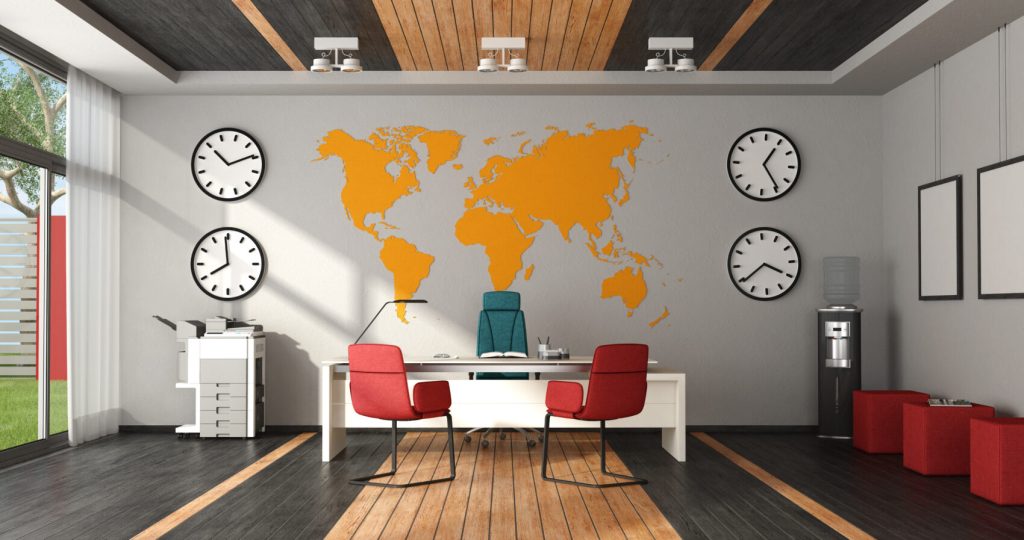
- Defined Space: Contrasting colors can highlight the ceiling as a distinct design element, adding character and depth to the room. This is particularly effective in spaces where the ceiling has unique architectural features, such as beams or moldings.
- Aesthetic Balance: A lighter ceiling color can balance out darker walls, preventing the space from feeling too enclosed or heavy. This contrast can make a room feel more open and airy.
- Personal Expression: Using different colors for ceilings and walls allows for greater individual expression and creativity. It will enable you to incorporate trendy colors or create bold visual impacts without overwhelming the entire space, inspiring you to unleash your creativity.
Considerations for Different Room Types
Whether to match or contrast your ceilings and walls can depend mainly on the type of room you work with. Here are some specific considerations:
- Living Rooms and Bedrooms: These spaces often benefit from the warmth and comfort of a unified color scheme. However, a classic white ceiling can add elegance and formality if you prefer a more traditional look.
- Kitchens and Bathrooms: Due to their functional nature, kitchens and bathrooms often suit contrasting ceilings, which can help delineate the space and add freshness.
- Hallways and Small Rooms: Matching colors can make narrow or small areas feel less confined and more expansive, whereas contrasting colors might add visual clutter.
DIY Tips for Painting Ceilings
Whether you match or contrast, achieving a professional finish is key. Here are some expert DIY tips to ensure your painting project is a success, along with some common mistakes to avoid:
- Prepare the Surface: Properly clean and prime your ceilings before painting. This ensures better paint adhesion and a smoother finish. Sand any rough areas and fill cracks or holes with spackle.
- Choose the Right Tools: Use a roller with an extension pole for even coverage, and invest in high-quality paint brushes for cutting in around edges and corners. Consider using a roller with a longer nap for ceilings to ensure even coverage on the textured surface.
- Mind the Light: Consider the room’s light source when choosing colors. Natural light can alter how paint colors appear, so test paint samples at different times of the day. For instance, test the samples in the morning, afternoon, and evening to see how the colors change with the varying light conditions.
- Use Drop Cloths: Protect your furniture and floors with drop cloths or plastic sheeting to avoid spills and splatters.
- Ventilation is Key: Ensure adequate ventilation while painting to prevent fumes from building up, which is especially important in smaller spaces.
Making the Right Choice for Your Space
Ultimately, deciding whether to paint your ceilings the same color as your walls is a thoughtful process that should consider the room’s specific needs. Consider the atmosphere you want to create, the architectural features of the space, and your design style. Whether you opt for a monochromatic palette or a striking contrast, remember that paint is one of home design’s most flexible and forgiving elements. With patience and creativity, you can achieve a stunning transformation that reflects your taste and enhances your living environment. Happy painting!
Whether to match your ceiling color with your walls depends on the desired aesthetic and room dynamics. Matching colors create a seamless, spacious feel, while contrasting shades add depth and character. New Life Painting & Restoration brings expertise to help you make the best decision for your home, ensuring a beautifully cohesive or uniquely contrasting look tailored to your style. Trust our professional team to transform your space with precision and creativity, enhancing your home’s overall appeal.
FAQ
1. Should I paint my ceiling the same color as my walls or choose a different shade?
Choosing whether to match your ceiling with your wall color depends on the atmosphere you want to create in the room. If you paint the ceiling the same color as the walls, especially in small spaces, it can create a seamless, cocooning effect that makes the room feel cozy and unified. In contrast, opting for a different color or a classic white ceiling can make the room feel taller, airier, and more open. The right choice will depend on your room’s natural light, size, and design style.
2. What are the benefits of matching the ceiling color to the walls?
Matching the ceiling and walls is a popular technique for contemporary and minimalist designs. This approach can help disguise imperfections where the wall meets the ceiling and create an enveloping, intimate feeling. It works especially well in rooms with lower ceilings or awkward architectural details, as the unified color scheme blurs boundaries and minimizes visual distractions.
3. When is it better to keep the ceiling a traditional white or lighter color?
Painting the ceiling white or a very light color remains a classic strategy for visually expanding rooms. Light ceilings reflect more natural and artificial light, making spaces feel larger, brighter, and more open. This is particularly effective in rooms with limited windows or spaces where you want to avoid feeling closed in, such as hallways, kitchens, and living rooms.
4. Can using a bold color on the ceiling enhance a room’s design?
Using a bold or dark color on the ceiling can add drama and personality to your design, drawing the eye upward and making the ceiling a focal point. This technique is popular in formal dining rooms, powder rooms, or bedrooms where you want to create a striking or luxurious effect. However, a dark ceiling can make the space feel more intimate or even smaller, so it’s best reserved for rooms with higher ceilings or ample natural light.
5. What factors should I consider before deciding whether to match or contrast my ceiling and wall colors?
Before deciding, assess your room’s size, ceiling height, natural lighting, and the overall mood you wish to achieve. Matching colors can create intimacy and unity, while contrasting ceilings can emphasize height and airiness. It’s also important to consider the room’s function and whether you want the ceiling to serve as a neutral backdrop or an intentional design element. Experimenting with paint samples and observing them at different times of day can help you visualize the final effect and make a confident choice.