Residential Paint Jobs: Comprehensive Services Guide
A residential paint job is a multi-step process that goes far beyond simply rolling paint onto walls. When you choose a professional painting contractor, you’re investing in a transformation that enhances your home’s beauty, durability, and value. Every stage—from planning and preparation to painting and finishing—is carefully executed to deliver results that last and impress.
The Complete Residential Painting Process
Professional residential painting starts with a personalized consultation. Your contractor will visit your home to evaluate the surfaces, discuss your color preferences, and recommend the best products and techniques for your space. This is also the time to address any structural concerns, such as cracks, peeling paint, or moisture issues, ensuring your project starts on the right foot.
Next comes the meticulous surface preparation. This phase is critical for a flawless finish. Walls are cleaned to remove dust and grime, damaged areas are repaired, and surfaces are sanded for smoothness. Priming is applied where necessary to promote adhesion and color accuracy. Proper prep work ensures that the paint will bond well, resist peeling, and look even throughout.
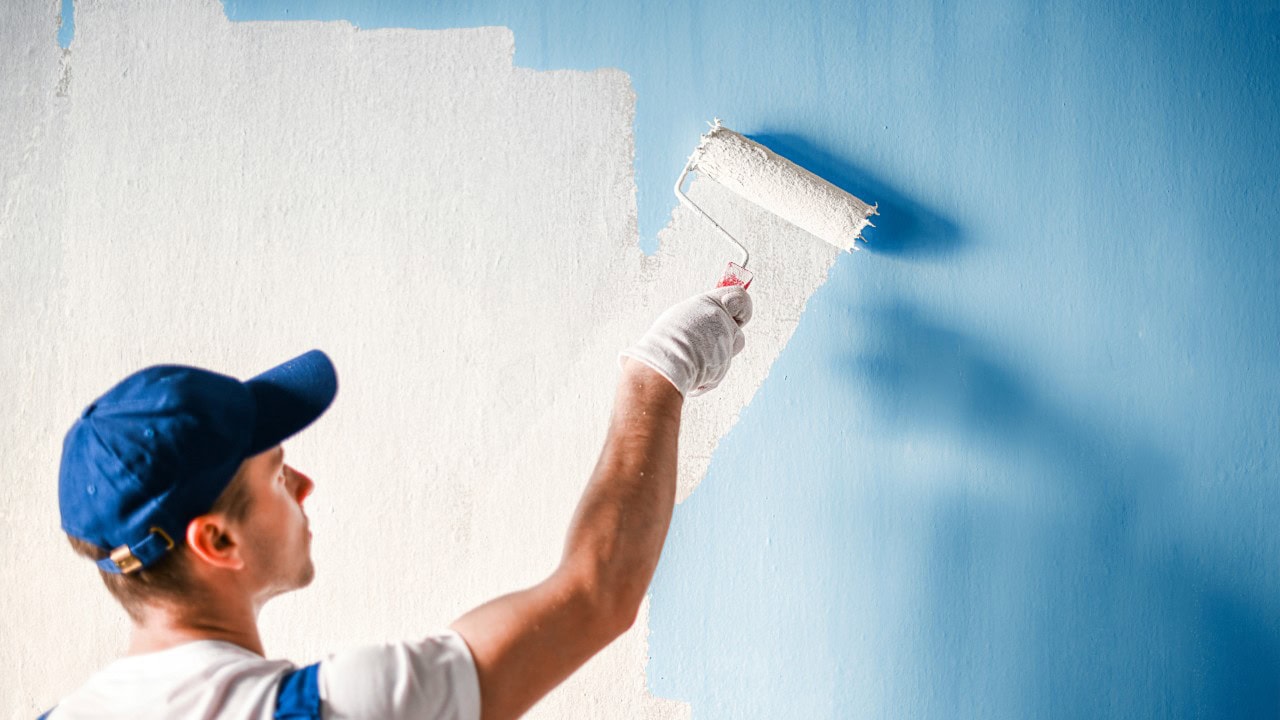
The actual painting phase is where skill and precision come into play. Whether you’re updating interiors or refreshing exteriors, professional painters use high-quality materials and advanced techniques to achieve crisp lines and consistent coverage. Attention is paid to every detail, from trim and baseboards to ceilings and accent walls. For specialty projects, such as cabinet refinishing or decorative finishes, additional steps are taken to match your vision.
Once the painting is complete, the cleanup and inspection process begins. Contractors remove all protective coverings, dispose of debris, and ensure your home is left spotless. A final walkthrough with you allows for any necessary touch-ups and confirms your satisfaction with the results. Many companies also offer warranties and follow-up visits to guarantee long-term performance.
Key Services Offered
-
Interior and exterior painting for walls, ceilings, trim, and more
-
Cabinet, furniture, and fixture refinishing
-
Surface repair and drywall patching
-
Color consultation and design recommendations
-
Pressure washing for exterior surfaces
-
Stain and sealant application for decks and fences
-
Custom finishes, including faux techniques and textured walls
-
Eco-friendly, low-VOC, and allergy-safe paint options
-
Wallpaper removal and installation
Why Professional Painters Deliver Value
Choosing a professional residential painter means you benefit from their expertise, efficiency, and attention to detail. They bring the right tools, materials, and knowledge to handle every aspect of the job, saving you time and effort. Their work is backed by quality standards, ensuring your home looks beautiful and the paint job lasts for years to come.
Frequently Asked Questions
1. What steps are involved in a professional residential paint job?
A professional residential paint job typically begins with a detailed consultation to assess your needs and preferences. This is followed by thorough surface preparation, including cleaning, repairs, and priming. Next, the painting is performed with precision, covering walls, ceilings, trim, and any specialty surfaces. The process concludes with a comprehensive cleanup and final inspection to ensure your complete satisfaction.
2. How do professional painters prepare surfaces before painting?
Surface preparation is a vital part of any paint job. Professionals clean walls to remove dirt and debris, repair cracks or holes with filler, sand rough spots for smoothness, and apply primer to promote adhesion. They also mask off adjacent surfaces and protect floors and furniture to prevent accidental spills or damage. Proper prep work ensures a long-lasting, even finish.
3. What factors should I consider when choosing paint and finish for my home?
When selecting paint and finish, consider the room’s function, lighting, and traffic. For high-moisture areas like bathrooms and kitchens, opt for semi-gloss or satin finishes for durability. Living rooms and bedrooms often look best with eggshell or matte finishes for a softer look. For high-traffic areas, choose scrubbable, durable paints. Consult with your painter for advice on eco-friendly and low-VOC options.
4. What affects the cost of a residential paint job?
The cost of a residential paint job depends on several factors, including the size of the area, the amount of prep work required, the type and quality of paint used, and the complexity of the surfaces. Additional services such as repairs, wallpaper removal, or custom finishes will also influence the final price. Getting a detailed estimate from your contractor helps you plan your budget.
5. How long does a typical residential paint job take?
The timeline for a residential paint job varies based on the project’s scope. A single room may take 1–2 days, while a whole-home project can take several days to a week. Exterior jobs may take longer due to weather and drying times. Your contractor will provide a clear schedule before starting, so you can plan accordingly. Proper timing ensures a durable and attractive finish.