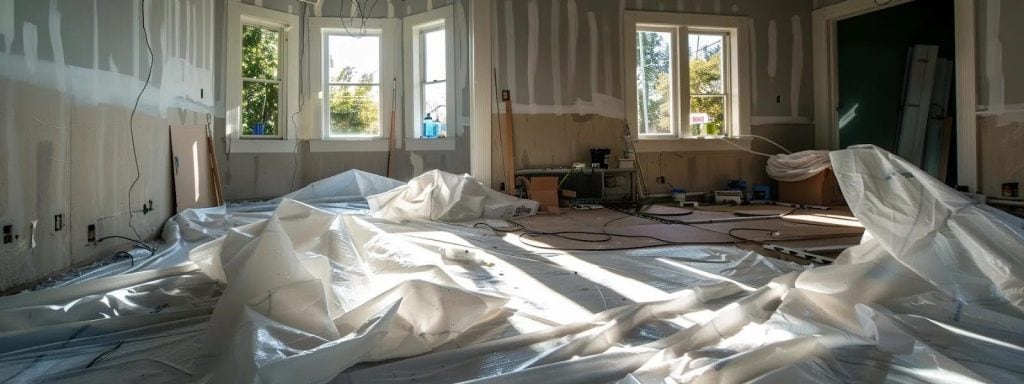
Knowing how to hire a painting contractor is not always as simple as comparing two prices and picking the lower one.
A painting project can change the look of your home, but it also affects durability, protection, cleanup, scheduling, and the overall experience from start to finish. If you hire the wrong contractor, even a project that looks fine at first can turn frustrating fast. Missed prep, weak communication, vague pricing, and rushed work often lead to disappointment.
That is why homeowners should ask better questions before the job begins.
The right contractor should be able to explain the process clearly, outline what is included, walk through the prep and materials, and give you confidence in how the work will be handled. A good conversation before the estimate is often just as important as the estimate itself.
This guide breaks down 10 important questions to ask before hiring a painter, explains why each one matters, and outlines the kinds of answers that help you feel more confident about your decision.
Why It Matters to Ask Questions Before Hiring a Painter
Many homeowners focus on one thing first: price.
Price matters, of course. But when you are trying to figure out how to hire a painting contractor, the lowest price isn’t always the best value. A cheaper quote may omit prep, use lower-grade materials, apply fewer coats, or skip details that make the finish last.
That is where problems begin.
A painting contractor is not only selling paint for walls. They are selling planning, preparation, product knowledge, workmanship, scheduling, and accountability. If those parts are weak, the final result usually suffers.
Asking the right questions early helps you avoid confusion later.
It helps you compare contractors more fairly. It helps you spot vague answers. It helps you understand what is included in the project. And it gives you a better chance of choosing someone who will handle the job professionally from start to finish.
1. What Exactly Is Included in the Estimate?
This is one of the most important questions you can ask.
Many homeowners look at the bottom number first and assume every quote includes the same scope of work. That is rarely true.
One estimate may include washing, scraping, sanding, patching, caulking, priming, two finish coats, trim, cleanup, and minor repairs. Another may include only basic painting with limited prep. On paper, one price looks lower, but that does not always mean it is the better deal.
Ask the contractor to explain exactly what the estimate covers.
You want to know whether prep, trim, doors, priming, and cleanup are included. Ask how many coats are planned and what areas are excluded.
This question gives you a much clearer way to compare one proposal to another.
If the answer feels vague, that is a warning sign.
2. What Kind of Prep Work Will You Do Before Painting?
Prep work is where a lot of painting jobs are won or lost.
If you want to understand how to hire a painting contractor wisely, pay very close attention to how they talk about preparation. Good prep usually has a direct effect on how long the finish lasts and how clean the final result looks.
Depending on the surface, prep may include washing, scraping loose paint, sanding rough areas, patching damaged spots, filling cracks, sealing gaps, protecting nearby surfaces, and priming where needed.
A strong contractor should be able to explain what prep your home actually needs.
They should not make it sound like prep is optional or unimportant. They should also be clear about what they do before any finish coat goes on.
Many homeowners regret hiring a painter who offered a low price but rushed through prep. The paint may go on quickly, but the result often wears off sooner.
3. What Paint Products Will You Use?
Not all paint products perform the same way.
You do not need to know every technical detail, but you should know what kind of paint is being used and why it is being chosen for your project. That includes the brand level, the finish, the intended use, and whether the contractor recommends different products for different surfaces.
A good contractor should be able to explain their product choice simply.
For example, they may talk about durability, washability, coverage, color retention, or how a product handles exterior weather. That helps you understand whether the materials fit the project rather than being chosen solely to keep costs down.
This question also helps you compare quotes more accurately.
One contractor may price the job using a stronger paint system, while another may be using a cheaper product that looks fine at first but does not offer the same value over time.
4. How Will You Protect My Home During the Project?
Painting is not only about the finished walls.
It is also about how the home is treated during the work.
Before you hire a contractor, ask how they protect floors, furniture, landscaping, walkways, windows, fixtures, and other nearby areas. Ask how furniture is handled for interior work. Ask how plants, hardscape, and surrounding surfaces are protected for exterior work.
You should also ask how cleanup is managed each day.
A professional answer should make you feel like the contractor has a system, not that they are improvising from job to job. Homeowners often feel more confident when they hear a clear plan for masking, covering, moving items carefully, and keeping the work area controlled.
A contractor who takes protection seriously usually takes the rest of the project seriously, too.
5. Will You Be Doing the Work, or Will Someone Else?
This question matters more than many people think.
Sometimes the person giving the estimate is the same person managing the work. Sometimes a separate crew handles the project. Sometimes the estimator disappears after the paperwork is signed.
There is nothing automatically wrong with a team structure. But you should know who will actually be on-site, who is supervising the job, and who your main point of contact will be.
This helps prevent confusion later.
If you have a question during the project, you should know who to speak with. If you discussed certain details during the estimate, you want to know that those details will actually be communicated to the people doing the work.
When learning how to hire a painting contractor, this is a great way to measure professionalism. Strong contractors are usually very clear about who is involved and how communication works.
6. How Long Will the Project Take?
Every homeowner wants to know the timeline.
That does not mean you should expect an exact hour-by-hour prediction. But the contractor should be able to give you a realistic idea of when the job can start, how long it should take, and what could affect the schedule.
Ask about the expected number of working days.
Ask whether the weather could delay exterior work. Ask how the contractor handles scheduling changes. Ask whether your project will be worked on consistently or split around other jobs.
This question is important because timing affects your routine, your planning, and your overall experience.
A good answer should sound organized and reasonable. A weak answer often sounds vague, rushed, or overly casual.
7. How Will You Handle Repairs, Changes, or Unexpected Issues?
Not every surface looks the same once work begins.
A wall may need more patching than expected. Exterior trim may show damage once loose paint is removed. There may be stains, cracks, or surface issues that were not fully visible during the initial walkthrough.
That is why you should ask how unexpected issues are handled.
Will the contractor talk with you before adding work? Will they explain the problem clearly? Will the price change if the scope changes? How will that be documented?
This question helps protect you from surprise charges and confusion.
It also shows whether the contractor has a professional process for communicating changes instead of simply making decisions without consulting the homeowner.
8. Do You Offer a Written Contract and Clear Project Details?
Never rely on a verbal understanding alone.
A written agreement helps both sides stay aligned. It should outline the scope of work, surfaces being painted, prep included, materials, approximate schedule, payment terms, and any exclusions that matter.
A clear contract does not need to be overly complicated.
It just needs to be specific enough that you know what you are getting. That protects you from misunderstandings about coats, colors, trim, repairs, or cleanup.
If a contractor seems hesitant about putting details in writing, take that seriously.
When people ask how to hire a painting contractor without getting burned, this is one of the biggest answers: make sure the job details are written down clearly before work starts.
9. What Does the Payment Schedule Look Like?
Money conversations are easier when they happen early.
Ask how payments are structured. Ask whether there is a deposit, when progress payments are due, if any, and when the final payment is expected.
The goal is not only to know the amount. The goal is to understand the process.
A professional contractor should be able to explain the payment schedule in a straightforward, fair way. You should not feel confused about when money is due or which project milestones correspond to those payments.
This question also helps you judge how organized the business is.
If the payment process sounds unclear, the rest of the project may feel that way, too.
10. How Do You Handle Final Walkthroughs and Touch-Ups?
The end of the project matters just as much as the start.
Ask whether the contractor does a final walkthrough with the homeowner. Ask how touch-ups are handled. Ask whether small corrections are part of the closeout process.
A good contractor should expect a final review.
That does not mean the project should be full of mistakes. It means they understand the value of walking the job with the homeowner, carefully inspecting the finished work, and making sure everything agreed upon has been completed properly.
This question helps you see whether the contractor cares about finishing strong, not just finishing fast.
Red Flags to Watch for When Hiring a Painting Contractor
Knowing how to hire a painting contractor also means knowing what should make you pause.
Some warning signs appear before the project even begins.
One red flag is vague answers; if a contractor cannot clearly explain prep, materials, scheduling, or scope, that makes it harder to trust the process.
Another red flag is a quote that seems far lower than everyone else without a clear reason. In many cases, that means something has been left out.
Poor communication is another issue. If it is already hard to get straight answers before the job starts, it usually does not get any easier once work is underway.
You should also be cautious if the contractor seems rushed, dismissive, or unwilling to explain how the work will be done. Homeowners should feel informed, not pressured.
What Good Answers Usually Sound Like
A strong contractor does not need to sound overly technical.
In fact, the best answers are often simple, clear, and direct.
Good answers usually explain what is included, how surfaces will be prepared, which materials will be used, how the home will be protected, how long the job should take, and how communication will work throughout the project.
You should come away from the conversation feeling that the contractor has a real process in place.
That process matters. It usually leads to better consistency, fewer surprises, and a better overall experience.
Why the Cheapest Quote Is Not Always the Best Choice
This is worth repeating because it is one of the biggest mistakes homeowners make.
The lowest price can be tempting, especially when several contractors seem to be offering the same thing. But painting jobs are not always equal just because the service sounds similar.
One contractor may plan to do stronger prep, use better materials, include more surfaces, and spend more time on detail work. Another may price the job lower by trimming those parts back.
That is why choosing based on price alone can backfire.
When you are deciding how to hire a painting contractor, the better goal is to understand what makes one estimate stronger than another. The best value often comes from a contractor who is clear, organized, and committed to doing the job right.
How to Feel More Confident Before You Say Yes
Most homeowners are not looking for a perfect script.
They just want to feel comfortable before committing to a contractor.
That confidence usually comes from a few things. The contractor answers questions clearly. The estimate makes sense. The process feels organized. The communication is respectful. The scope is written down. The expectations are easy to understand.
When those pieces are in place, the decision gets easier.
You may still compare a few options, but you are no longer choosing blindly. You are choosing based on real information.
That is the whole point of asking better questions in the first place.
If you want to know how to hire a painting contractor, start by asking better questions before the project begins.
The right contractor should be able to explain what is included, what prep is needed, what materials will be used, how the home will be protected, who will be doing the work, how long the project should take, and how final walkthroughs will be handled.
These conversations matter because they help you avoid vague expectations, weak planning, and unpleasant surprises.
A painting project should feel clear before it ever starts.
When you ask the right questions, you put yourself in a much better position to choose a contractor who communicates well, works professionally, and delivers a result you feel good about.
Hiring the right painting contractor starts with asking the right questions. From experience and licensing to materials and timelines, these details can help you avoid costly mistakes and make confident choices. New Life Painting believes informed homeowners make better decisions, and we’re committed to delivering honest service, quality workmanship, and lasting results.
FAQs
1. How do I know how to hire a painting contractor the right way?
Start by asking clear questions about prep, materials, project scope, timeline, payment terms, and cleanup. The goal is to understand how the contractor works before you agree to the job.
2. What should I ask before hiring a painter?
Ask what is included in the estimate, what prep will be done, what products will be used, who will be on-site, how long the project will take, and how final touch-ups will be handled.
3. Is the cheapest painting quote usually the best option?
Not always. A lower quote may omit important prep, use lower-grade materials, or result in less detailed work, which can affect the final result.
4. Why is prep work so important in a painting project?
Prep helps the paint bond properly and affects how clean, smooth, and long-lasting the finish will be. Skipping prep often leads to earlier wear and a weaker result.
5. Should everything be written down before the project starts?
Yes. A written agreement helps clarify the scope, materials, schedule, payment terms, and expectations, reducing the risk of confusion later.