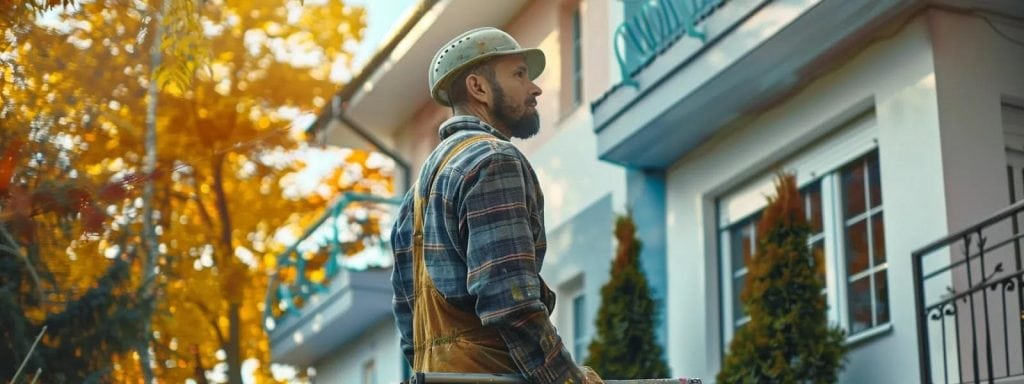
Painting your home’s exterior is one of the most effective ways to refresh curb appeal and protect your property.
But timing matters.
A beautiful exterior paint job depends on more than choosing the right color. Weather, temperature, sunlight, wind, surface condition, and moisture all play a role in how well paint applies, dries, and lasts.
That is why many homeowners ask the same question before planning a project: when to paint the exterior in Santa Clarita?
The answer depends on the season, the condition of your home, and the weather pattern around your project dates. Santa Clarita has plenty of sunny days, but heat, dry winds, strong sun exposure, cooler nights, and occasional rain can all affect exterior painting.
Choosing the right time of year helps the paint bond better, cure properly, and create a cleaner finish.
For most Santa Clarita homes, spring and fall are often the most comfortable seasons for exterior painting. The weather is usually milder, surfaces are easier to work with, and painters can often avoid the most intense heat of summer or the cooler, wetter stretches of winter.
Still, each season has advantages and challenges.
This guide explains what homeowners should know before scheduling an exterior painting project.
Why Timing Matters for Exterior Painting
Exterior paint needs the right conditions to perform well.
If paint is applied when it is too hot, too cold, too windy, or too damp, the final result may suffer. Paint may dry too quickly, dry too slowly, fail to bond properly, or show uneven texture.
This is why timing is part of the painting process.
A good exterior paint job starts with surface preparation, but weather conditions support the final result. The paint needs enough time to settle, level, dry, and cure without being stressed by poor conditions.
Santa Clarita’s climate can be both helpful and challenging.
The area often has long dry stretches, which can be useful for exterior painting. At the same time, intense sun and high temperatures can create problems if the project is not planned carefully.
Surfaces that sit in direct sun can become much hotter than the air temperature. Paint applied to overheated siding, trim, doors, or fascia may dry too fast. That can make it harder to achieve an even finish.
On the other hand, painting in the rain or in heavy moisture can prevent proper drying.
The best timing ensures the surface is clean, dry, and stable before paint is applied.
The Best Overall Seasons to Paint in Santa Clarita
For many homeowners, spring and fall are the best seasons to paint a home’s exterior in Santa Clarita.
These seasons often bring more moderate temperatures than the peak of summer. They also tend to provide more comfortable working conditions and better drying windows.
Spring is a strong option because it comes after the cooler months and before the harshest summer heat. It is a good time to freshen up faded paint, repair winter wear, and prepare the home for the sunny months ahead.
Fall is also a strong choice.
After the summer heat has passed, temperatures often become more paint-friendly again. Fall can be a smart time to address peeling paint, sun fading, or worn trim before the cooler season arrives.
That said, exterior painting can happen in other seasons too, depending on the weather.
The season matters, but daily conditions matter even more.
A mild winter week may be better than a very hot summer day. A cooler summer morning may work better than a windy spring afternoon. A dry fall stretch may offer excellent painting conditions.
The goal is to choose a window with mild temperatures, dry surfaces, lower wind, and enough time for proper drying.
Painting in Spring
Spring can be one of the best times to paint exterior surfaces in Santa Clarita.
The weather is usually warming up, but it may not have reached the intense heat of summer yet. This gives homeowners a chance to repaint before strong sun exposure becomes a bigger issue.
Spring is also a good time to inspect the home after winter.
Even if the season was mild, exterior surfaces may show signs of wear. Paint may be peeling, caulking may have cracked, trim may need repair, and areas around windows, doors, and fascia may need attention.
Addressing these issues early can help protect the home before hotter weather arrives.
Spring painting also boosts curb appeal before outdoor gatherings, landscaping updates, and summer activities.
However, spring requires careful scheduling.
Rain can still be a factor. Surfaces need to be dry before painting begins, and paint needs enough time to dry after application. If a home has damp wood, wet siding, or moisture trapped in cracks, painting should wait until those areas are ready.
Wind can also be an issue during spring.
Dust, pollen, and debris can affect fresh paint if conditions are not ideal. A good painting schedule accounts for these factors.
For many homeowners wondering when to paint the exterior in Santa Clarita, spring is often a smart answer as long as the weather window is dry and stable.
Painting in Summer
Summer is possible for exterior painting, but it needs more careful planning.
Santa Clarita summers can be hot, and heat can affect paint application. When surfaces become too hot, paint can dry too quickly. This may lead to lap marks, uneven coverage, brush marks, or poor bonding.
Direct sunlight is one of the biggest challenges.
A wall in full sun can heat up quickly. Even if the air feels manageable, the surface may be too hot for ideal painting. This is especially true for darker surfaces, garage doors, trim, and areas with long sun exposure.
That does not mean summer painting is always a bad idea.
It means the project should be planned around the weather and the sun.
Painters may work earlier in the day, follow shaded areas around the home, or avoid painting certain surfaces during peak heat. The goal is to paint when the surface temperature is more stable.
Summer can offer long daylight hours and a low risk of rain, which are helpful. But the heat must be respected.
Homeowners should also keep in mind that dry weather can come with dust, wind, or very low humidity. These factors can also affect the finish.
If summer is the only time that works for your schedule, exterior painting can still be done well with the right timing and approach. It simply requires attention to daily conditions.
Painting in Fall
Fall is often one of the best times for exterior painting in Santa Clarita.
The most intense summer heat has usually eased, but the weather can still be dry enough for painting. This creates a strong balance for exterior projects.
Fall is a good season for homeowners who have noticed fading, peeling, cracking, or damage to the trim during summer.
Strong sun can wear down paint over time. If your home’s exterior looks chalky, dull, or uneven after the hotter months, fall can be a good time to refresh it.
Another advantage of fall is comfort.
Moderate weather can make prep and painting easier. Surfaces may be less overheated, and paint may have a better chance to dry at a steady pace.
Fall painting can also help prepare the home before cooler weather and seasonal moisture.
If there are gaps, cracked caulking, exposed wood, or peeling areas, addressing them before winter can help protect the exterior.
The main thing to watch in the fall is the shorter daylight window and changing evening temperatures.
Paint should have enough daylight and warmth to dry properly. If nights become too cool, the schedule may need to be adjusted so that paint has the right conditions earlier in the day.
For many Santa Clarita homeowners, fall is a top choice because it offers a good balance of dry weather, manageable temperatures, and seasonal protection.
Painting in Winter
Winter is not always the first choice for exterior painting, but it may be possible during mild weather windows.
Santa Clarita winters are often more workable than colder regions, but homeowners still need to consider temperature, moisture, and drying time.
Cooler air can slow down paint drying.
If temperatures drop too low, paint may not cure properly. Even if daytime temperatures seem acceptable, overnight lows can affect the process.
Moisture is another concern.
Rain, dew, and damp surfaces can interfere with adhesion. Paint should not be applied to wet wood, damp stucco, or surfaces that have not fully dried.
Winter days are also shorter, which gives painters less time to work while conditions are ideal.
However, winter can work if the weather is mild, dry, and stable. A warm, sunny stretch may provide a suitable window for certain exterior painting projects.
Homeowners should avoid rushing the process in winter.
If the surface is not ready or if rain is expected too soon, waiting is usually better. Painting under poor conditions may lead to early failure, which can cost more to correct later.
Winter painting depends less on the season as a whole and more on the specific forecast and surface conditions.
How Temperature Affects Exterior Paint
Temperature affects how paint behaves from the moment it touches the surface.
When it is too hot, paint can dry too quickly. This can make it harder for the coating to level properly. Fast drying may also create visible marks, uneven sheen, or weak adhesion.
When it is too cold, paint may dry too slowly.
Slow drying can attract dust, allow moisture problems, or prevent the paint from curing as intended. In some cases, the finish may remain soft longer than expected.
The best painting conditions are usually moderate.
For Santa Clarita homes, this often means choosing days warm enough for paint to dry but not so hot that surfaces overheat.
Surface temperature matters just as much as air temperature.
A south-facing wall in full sun may be much hotter than shaded trim on the other side of the home. This is why experienced painters often move around the home based on sun exposure.
They may paint shaded sides first and avoid direct sun on certain surfaces.
Homeowners should not think only about the temperature listed for the day. They should also consider sunlight, wind, humidity, and overnight lows.
Why Moisture Matters Before Painting
Paint needs a dry surface.
Moisture can cause major problems for exterior painting. If paint is applied over wet or damp surfaces, it may not bond properly. It can bubble, peel, crack, or fail sooner than expected.
Moisture can come from rain, sprinklers, dew, washing, or hidden water in damaged wood.
This matters in Santa Clarita even though the climate is often dry. A home can still have moisture issues around windows, rooflines, trim, fascia, shaded areas, or landscaping.
Before painting, surfaces may need to be cleaned.
After washing, the home must have enough time to dry. Painting too soon can trap moisture under the coating.
Dew can also be a concern during cooler mornings.
Even when there has been no rain, surfaces may not be fully dry early in the day. Painters may need to wait until the moisture evaporates before applying paint.
Sprinklers should also be adjusted before and after painting.
Water spraying onto siding, trim, doors, or fences can cause moisture problems and damage the finish.
A dry surface is one of the most important requirements for a successful exterior paint job.
How Santa Clarita Sun Exposure Impacts Paint Timing
Santa Clarita sun can be intense, especially on exposed exterior walls.
Over time, strong sunlight can fade paint, dry out caulking, and make surfaces more vulnerable to wear. It can also affect the painting process itself.
Painting in direct sun is not always ideal.
The surface may become too hot, which can cause paint to dry too fast. This may make the finish less smooth and reduce working time.
Sun exposure also varies by side of the home.
One side may receive harsh afternoon sun, while another stays shaded for much of the day. A good exterior painting schedule considers this and works around the house in a planned order.
This is especially important for darker paint colors.
Dark colors absorb more heat. If a homeowner chooses a deep exterior shade, surface temperature becomes an even bigger factor.
The sun can also reveal surface flaws.
Cracks, uneven texture, poor prep, or lap marks may become more visible when sunlight hits the wall at certain angles.
Choosing the right time of day can improve the final result.
For homeowners asking when to paint the exterior in Santa Clarita, the answer should include not only the season but also the sun’s position throughout the day.
The Role of Wind in Exterior Painting
Wind can make exterior painting more difficult.
Santa Clarita can experience windy conditions at different times of year, and wind can affect both prep and paint application.
Strong winds can blow dust, leaves, and debris onto wet paint.
This can create rough texture or small imperfections in the finish. Wind can also dry paint too quickly, which may affect how evenly it lays down.
If spray application is being used, wind becomes even more important.
Overspray control, coverage, and finish quality can all be affected by windy weather.
Even brush and roller work can be impacted by dust and fast drying.
Wind may also make surface preparation harder. Dust can settle on cleaned surfaces before paint is applied, requiring additional cleaning.
This does not mean every breezy day is a problem.
Light airflow can be fine. The concern is strong or dusty wind that affects the surface or the paint. A good painting schedule avoids high-wind conditions whenever possible.
Homeowners should also consider landscaping, loose outdoor items, and nearby dust sources before the project begins.
Why Surface Preparation Should Shape the Schedule
The best time to paint is not only about the weather.
It is also about whether the home is ready.
Exterior painting often requires washing, scraping, sanding, caulking, priming, and minor repairs. If the home has peeling paint, cracked caulking, damaged trim, dry rot, or exposed wood, those issues need to be handled first.
Preparation can take time.
A home with a well-maintained exterior may move through prep quickly. A home with more wear may need extra attention before painting begins.
This is why homeowners should not wait until the last minute to schedule.
If you want your home painted before a specific season, event, or listing date, allow time for prep work. Rushing can lead to missed repairs or poor adhesion.
Prep also depends on the weather.
If the home is washed, it needs time to dry. If wood repairs are made, those areas need proper preparation before painting. If caulking is applied, it needs time before coating.
A successful paint job is built in stages.
The best schedule gives each stage enough time instead of forcing the work into a narrow window.
Signs It May Be Time to Paint Your Exterior
Seasonal timing is important, but your home’s condition is just as important.
If your exterior is showing signs of wear, it may be time to plan a repaint.
Peeling paint is one of the clearest signs.
Once paint begins to peel, the surface underneath becomes more exposed. This can lead to moisture issues, wood damage, and further paint failure.
Fading is another sign.
Santa Clarita sun can dull exterior colors over time. If one side of the home looks much lighter than the others, sun exposure may be wearing down the finish.
Cracking or failing caulking also matters.
Gaps around windows, doors, trim, and siding can allow moisture to enter. Repainting often includes replacing failed caulking before new paint is applied.
Chalking can also appear on older paint.
This looks like a powdery residue on the surface. It can affect adhesion if not handled before painting.
Other signs include exposed wood, stains, bubbling paint, cracked trim, or areas that look dry and weathered.
If these problems are visible, it is better to plan the painting project before the damage gets worse.
How Often Santa Clarita Homes May Need Exterior Painting
There is no single timeline that fits every home.
How often a home needs exterior painting depends on the material, sun exposure, paint quality, prep quality, color choice, and maintenance.
Homes with strong sun exposure may show fading sooner.
Darker colors may fade more noticeably than lighter colors. Surfaces facing intense afternoon sun may wear faster than shaded areas.
Wood trim may need attention before stucco or other surfaces are applied.
Fascia, eaves, window trim, and door trim are often exposed to sun, moisture, and movement. These areas should be checked regularly.
The previous paint job also matters.
A paint job with strong prep and quality materials usually performs better than one that was rushed or applied over damaged surfaces.
Maintenance can extend the life of exterior paint.
Keeping gutters clear, trimming plants away from the home, adjusting sprinklers, and repairing caulking can help protect the finish.
Rather than relying solely on years, homeowners should consider the condition of the exterior.
If the paint is fading, peeling, cracking, or no longer protecting the surface, it may be time to repaint.
Planning Around Home Projects and Landscaping
Exterior painting should be coordinated with other home projects.
If you are planning roof work, window replacement, stucco repair, trim repair, or major landscaping changes, timing matters.
Some projects should happen before painting.
For example, if trim needs repair or windows need replacement, it often makes sense to address these issues before the final paint finish. Otherwise, new paint may be disturbed by later work.
Landscaping also matters.
Bushes, vines, and trees close to the home may need trimming before painting. This gives painters better access and helps prevent leaves or branches from touching fresh paint.
Sprinklers should be checked and adjusted.
Water should not spray directly on freshly painted surfaces. It should also not hit wood trim, siding, or doors before painting.
Outdoor furniture, grills, planters, and decor may need to be moved away from the home.
Planning these details early makes the project run more smoothly.
A well-timed paint job should suit the home’s condition, the season, and any other updates underway around the property.
Choosing Exterior Colors by Season
The time of year can also affect how homeowners view paint colors.
A color may look different in bright summer sun than it does on a mild fall afternoon. This is because light changes throughout the year and throughout the day.
Before choosing an exterior color, test samples on the home.
Look at them in morning light, midday light, and late afternoon light. Check both sunny and shaded areas if possible.
Santa Clarita sunlight can make some colors appear brighter or warmer than expected.
A color that looks soft on a small sample may look much stronger on a full exterior wall. A dark color may look rich and stylish, but it may also absorb more heat on sun-exposed surfaces.
Trim color matters too.
White, off-white, taupe, charcoal, or muted accent colors can change the whole look of the home. The best combination should work with the roof, hardscaping, landscaping, windows, and neighborhood setting.
Choose colors that look good in real outdoor light, not just on a sample card.
This step can prevent regret after the full home is painted.
Why Professional Scheduling Helps
Exterior painting has many moving parts.
The surface must be ready. The weather must be suitable. The prep work must be done in the right order. Paint must be applied under the right conditions.
Professional scheduling helps balance these factors.
A painting team can consider the forecast, sun exposure, surface conditions, and project scope to plan the work more effectively.
For example, one side of the home may be better to paint in the morning, while another side may be better later in the day. Some repairs may need to be done before washing or priming. Some areas may need extra drying time.
This kind of planning helps avoid rushed decisions.
New Life Painting helps homeowners refresh and protect their home exteriors with professional painting services. For Santa Clarita homeowners, choosing the right season and daily painting conditions can make a meaningful difference in the final result.
The goal is not only to finish the project.
The goal is to finish it well.
The Best Time Depends on Your Home
Spring and fall are often excellent times for exterior painting in Santa Clarita.
They usually offer milder weather, better working conditions, and less intense heat than summer. These seasons can be ideal for homeowners who want a smooth, durable finish.
But the best time also depends on your home’s condition.
If the paint is peeling, wood is exposed, caulking is cracked, or surfaces are fading badly, waiting too long may lead to more repair work. In that case, the right time may be the next suitable dry weather window.
Summer can work with careful planning.
Winter can work during mild, dry stretches.
The most important factors are dry surfaces, moderate temperatures, manageable wind, and proper prep.
When deciding when to paint the exterior in Santa Clarita, think beyond the calendar. Look at the forecast, the sun exposure, the condition of your home, and the quality of the preparation.
A well-timed exterior paint project can improve curb appeal, protect surfaces, and help your home look cared for in every season.
Frequently Asked Questions
What is the best time of year to paint a home exterior in Santa Clarita?
Spring and fall are often the best times because temperatures are usually milder and surfaces are less likely to be overheated. The best timing also depends on the daily forecast, wind, moisture, and the condition of the home.
Can you paint a house exterior in Santa Clarita during the summer?
Yes, exterior painting can be done in summer, but it needs careful planning. Painters may need to avoid peak heat, work around direct sun, and paint surfaces when they are not too hot.
Is winter too cold for exterior painting in Santa Clarita?
Winter may be possible during mild, dry weather windows. The main concerns are cooler temperatures, damp surfaces, rain, dew, and shorter daylight hours.
Why should surfaces be dry before exterior painting?
Paint needs a dry surface to bond properly. If paint is applied over moisture, it may bubble, peel, crack, or fail earlier than expected.
How do I know if my home is ready for exterior painting?
Your home may be ready if surfaces are dry, clean, repaired, and stable. Peeling paint, cracked caulking, exposed wood, dry rot, or damaged trim should be addressed before the new paint is applied.