A fresh coat of paint can make a home look cleaner, brighter, and better cared for.
But paint can only perform well when the surface underneath is ready.
If there is dry rot, soft wood, cracking trim, failing fascia, or damaged siding, painting over it will not solve the problem. It may hide the issue for a short time, but the damage can continue underneath the new finish.
That is why dry rot repair in Santa Clarita is such an important step before painting.
Homes in Santa Clarita deal with sun exposure, dry heat, seasonal moisture, wind, and general aging. Over time, these conditions can wear down exterior wood surfaces. Once wood begins to weaken, the paint may peel, crack, bubble, or fail faster than expected.
Before starting an exterior painting project, homeowners should understand what dry rot is, where it appears, why it matters, and how wood repair can improve the final result.
Painting should improve your home’s appearance and help protect it. That protection starts with proper preparation.
What Dry Rot Means for Your Home
Dry rot is a type of wood decay.
Even though the name includes the word “dry,” moisture is still part of the problem. Wood usually begins to decay after it has been exposed to moisture long enough for fungal growth to break it down.
Once the wood starts breaking down, it may become soft, brittle, cracked, crumbly, or weak.
This is a serious issue because exterior wood is not just decorative. Trim, fascia, siding, window frames, door frames, and other wood details help protect parts of the home. If those areas weaken, they can affect both appearance and function.
Dry rot can also spread if the conditions that caused it are not corrected.
That does not mean every small area of damaged wood is a major emergency. But it does mean homeowners should not ignore it, especially before painting.
Paint needs a stable surface. Damaged wood cannot hold paint as well as sound wood.
If dry rot is painted over, the new coating may look good at first, but the underlying problem remains. As the wood continues to fail, the paint may crack, peel, or separate.
This leads to more repairs later.
Why Dry Rot Repair Matters Before Painting
Paint is not a repair product for rotten wood.
It cannot restore strength to soft or decayed wood. It cannot stop damaged wood from breaking apart if the source of the issue remains. It also cannot create a smooth, lasting finish over unstable surfaces.
That is why dry rot repair in Santa Clarita should happen before painting begins.
When damaged wood is repaired or replaced first, the paint has a better surface to bond to. The final finish looks cleaner and lasts longer. The home also receives better protection because weak areas are addressed rather than covered up.
Skipping repairs can lead to several problems.
Paint may fail early. Trim may continue to break down. Moisture can keep entering exposed areas. The finished project may look uneven because damaged surfaces do not paint smoothly.
There is also the cost factor.
Repairing dry rot before painting may feel like an extra step, but ignoring it can make the project more expensive later. If fresh paint has to be removed or redone because the wood underneath was not repaired, homeowners may end up paying twice for work that could have been handled during prep.
A strong paint job starts before the first coat is applied.
Common Places Dry Rot Appears
Dry rot often appears in areas where wood is exposed to moisture, sun, or poor drainage.
For Santa Clarita homes, common areas include fascia boards, eaves, window trim, door trim, siding, garage trim, patio covers, and wood around rooflines.
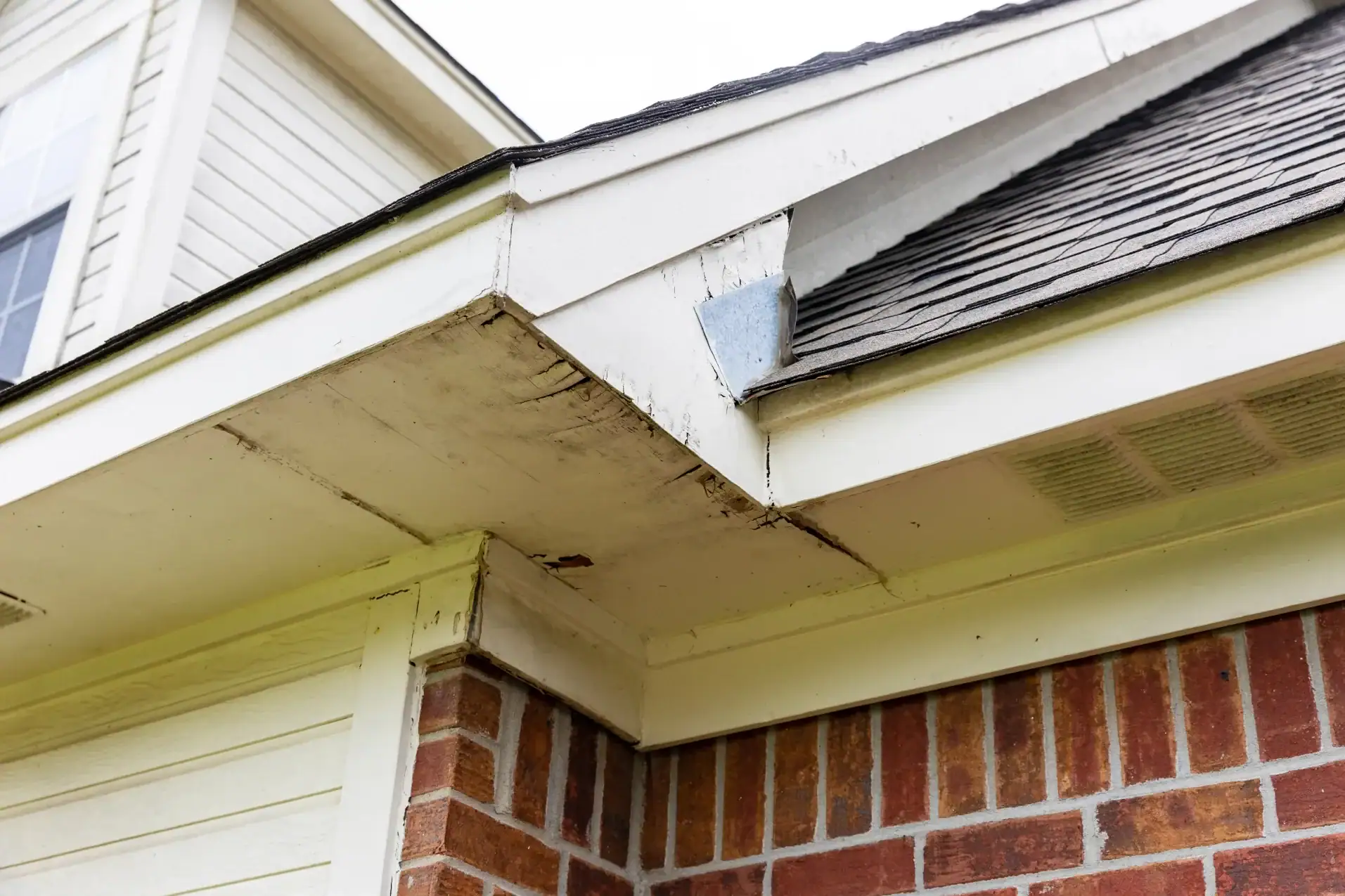
Fascia boards are especially vulnerable because they sit near the edge of the roof. If gutters overflow, leak, or pull away from the home, water can reach the fascia and create decay over time.
Window trim is another common trouble spot.
Water can collect around window frames if caulking fails or paint cracks. Once moisture gets behind the surface, the wood can begin to soften.
Door frames may also develop damage, especially near the bottom, where water can splash or sit.
Siding and wood trim close to landscaping can be affected by sprinklers, soil contact, or trapped moisture. Even in a dry climate, repeated exposure to water from irrigation can cause problems.
Eaves and overhangs can also suffer if the roofline drainage is poor or paint protection has worn away.
Before painting, these areas should be checked carefully. Some dry rot is easy to see. Other damage may only become obvious when the surface is touched, scraped, sanded, or prepared.
Warning Signs Homeowners Should Watch For
Dry rot is not always obvious at first.
Some areas may appear slightly discolored or cracked, while the wood’s interior is already weakening. That is why homeowners should know the warning signs before scheduling a paint project.
One sign is soft wood.
If a wood surface gives way when pressed, it may be damaged. Healthy exterior wood should feel firm, not spongy.
Another sign is cracking or splitting.
Wood that has started to break down may show deep cracks, flaking pieces, or uneven texture. Paint may also peel away from the surface because the wood underneath is no longer stable.
Dark stains can also be a clue.
Staining near windows, rooflines, trim joints, or the bottoms of door frames may indicate moisture problems.
Bubbling or blistering paint can also signal trouble. Paint may lift when moisture is trapped underneath or when the surface is no longer sound.
You may also notice gaps in caulking, separated joints, crumbling corners, or sections that break apart when touched.
These signs do not always mean the entire area needs major replacement. Sometimes the damage is limited. But they do mean the surface should be inspected before painting.
Why Santa Clarita Homes Can Develop Wood Damage
Santa Clarita’s climate can be tough on exterior surfaces.
The area often experiences strong sun, warm temperatures, dry conditions, seasonal winds, and occasional rain. These changing conditions can cause exterior materials to expand, contract, dry out, and wear down.
Sun exposure is a major factor.
Over time, direct sunlight can break down paint and protective coatings. Once paint begins to crack or peel, the wood underneath becomes more exposed.
Seasonal moisture can then enter small openings.
Even if rain is not constant, repeated exposure in vulnerable areas can create problems. Water from sprinklers, roof runoff, clogged gutters, or poorly sealed joints can also contribute to wood decay.
Wind can make the issue worse by pushing rain into openings or carrying dust and debris against exterior surfaces.
Poor maintenance also plays a role.
When caulking fails, paint peels, or gutters overflow, wood loses protection. Once moisture reaches unprotected wood, damage can begin and slowly worsen.
This is why regular exterior inspections are helpful.
A homeowner may not need to repaint every year, but checking wood surfaces, trim, and caulking can help catch issues before they become larger repairs.
Painting Over Dry Rot Creates Bigger Problems
Painting over dry rot may seem like a quick fix.
At first, the damaged area may look better. The color may appear even, and the home may seem refreshed. But that improvement is only on the surface.
Underneath, the wood is still weak.
As the damaged area continues to break down, the paint may crack, bubble, or peel. If moisture remains trapped, the problem can continue spreading.
Painting over dry rot can also make it harder to see the issue later.
A fresh coat of paint may hide warning signs until the damage becomes more advanced. By the time it is visible again, more wood may need to be repaired or replaced.
This is especially important around trim, fascia, and window frames.
These areas protect seams and edges. If they fail, moisture can seep into nearby materials.
A strong painting project should never rely on paint to hide structural or surface problems. The damaged wood should be handled first, then the area should be properly prepared and painted.
That is the better way to protect the home and preserve the finish.
What Wood Repair Can Include
Wood repair before painting depends on the type and extent of the damage.
Some areas may only need minor surface preparation. Others may need partial replacement. In more serious cases, entire boards or trim sections may need to be removed and replaced.
The first step is identifying damaged areas.
This often happens during the prep stage, when loose paint is scraped, surfaces are checked, and problem spots become easier to see.
Small cracks, gaps, or surface flaws may be repaired with suitable patching materials, depending on the wood’s condition.
Larger areas of dry rot often require removal.
If the wood is soft, crumbling, or no longer stable, it should not simply be coated. Replacing the damaged section provides a stronger surface for painting.
Caulking may also be part of the repair process.
Joints around trim, windows, doors, and seams need to be sealed properly to reduce moisture entry points.
Once repairs are complete, the surface may need sanding, priming, and preparation before paint is applied.
The goal is simple: create a clean, dry, stable surface that can hold paint properly.
Repairing Trim Before Painting
Exterior trim is one of the most visible parts of a home.
It outlines windows, doors, corners, rooflines, and architectural details. When trim looks worn or damaged, it can make the whole exterior feel neglected.
Trim is also one of the most common places to find dry rot.
This happens because trim often has joints, seams, and edges where water can enter. If caulking cracks or paint wears away, moisture can reach the wood.
Before painting, the trim should be checked for softness, cracks, gaps, peeling paint, and loose sections.
Damaged trim may need to be repaired or replaced so the finished paint job looks clean and even.
Painting damaged trim without repair can lead to rough texture, visible flaws, and early paint failure. Corners may crumble. Edges may not hold a crisp line. Paint may peel because the material underneath is unstable.
Well-repaired trim makes a major difference.
It helps the home look sharper and provides a better foundation for the paint. It also helps seal vulnerable areas around windows, doors, and transitions.
Fascia and Eave Repairs Before Painting
Fascia and eaves are important areas to inspect before painting the exterior.
The fascia is the board that runs along the edge of the roofline. Eaves are the overhanging sections of the roof. Both areas can be exposed to water, heat, pests, and sun.
If gutters are clogged, leaking, or poorly attached, fascia boards may absorb moisture.
Over time, this can lead to peeling paint, swelling, cracking, or dry rot.
Eaves can also sustain damage if moisture gets trapped or if there are ventilation and drainage issues.
Because these areas are often higher up, homeowners may not notice damage right away. From the ground, the paint may simply look worn. Once the area is inspected closely, the wood may show signs of decay.
Repairing fascia and eaves before painting is important because these areas help protect the roofline and upper exterior.
A fresh coat of paint on rotten fascia will not hold up well. It may peel quickly, and the wood may continue to break down.
Addressing these areas during prep helps create a more reliable exterior painting result.
Window and Door Frame Repairs
Windows and doors are common areas for wood damage.
They have edges, seams, joints, and horizontal surfaces where moisture can collect. If caulking fails or paint cracks, water can reach the wood beneath.
The lower corners of window frames are especially vulnerable.
Water can sit in these areas after rain or exterior washing. Over time, the wood may become soft or begin to separate.
Door frames can develop similar issues, especially near thresholds or lower trim pieces.
Before painting, window and door frames should be checked closely. Any loose caulking, peeling paint, gaps, or soft wood should be addressed.
This is not only about appearance.
Damaged frames can allow moisture to keep entering the area. If the problem continues, the new paint may fail faster.
Proper repair helps create cleaner lines around windows and doors. It also helps the paint finish look more polished.
For homeowners planning exterior painting, window and door frame repair should not be treated as an afterthought. These details are small, but they have a big impact on the final result.
Why Surface Preparation Is Just as Important as Paint
Paint quality matters, but preparation matters just as much.
Even a high-quality paint will not perform well on dirty, loose, damaged, or rotten surfaces. The coating needs a surface it can grip.
Surface preparation may include washing, scraping, sanding, caulking, repairing wood, replacing damaged sections, and priming where needed.
Each step supports the final finish.
Washing removes dirt, dust, and buildup. Scraping removes loose paint. Sanding helps smooth rough edges. Caulking seals gaps and joints. Wood repair creates a stable foundation. Primer helps with adhesion and coverage in the right areas.
Skipping these steps can shorten the life of the paint job.
A home may look good for a short time, but peeling and cracking can return sooner than expected.
For dry rot repair in Santa Clarita, preparation is especially important because the sun and seasonal exposure already put stress on exterior finishes. A rushed job may not hold up well.
A strong exterior paint project should begin with careful prep, not just color selection.
The Connection Between Caulking and Wood Protection
Caulking plays a major role in protecting exterior wood.
It helps seal gaps where water can enter, especially around trim, windows, doors, siding joints, and transitions between materials.
Over time, caulking can crack, shrink, separate, or become brittle.
When that happens, moisture can get behind the surface. Once water reaches exposed wood, dry rot can begin.
Before painting, old or failing caulking should be removed or addressed where needed. New caulking should be applied to suitable joints to provide better exterior protection.
However, caulking should not be used to hide rotten wood.
If the wood is soft or crumbling, it should be repaired first. Caulk works best when it seals sound materials.
When used correctly, caulking helps protect the paint job and the wood underneath. It also helps create clean, finished lines around trim and architectural details.
This small step can make a meaningful difference in how long the paint finish lasts.
How Wood Repair Improves the Final Appearance
Wood repair is not only about durability.
It also improves the way the finished paint job looks.
Paint highlights the surface it covers. If the wood is cracked, uneven, soft, or damaged, those flaws may still show after painting. In some cases, new paint can make surface defects more noticeable because the fresh color draws attention to the area.
Repairing damaged wood helps create smoother surfaces, cleaner trim lines, sharper corners, and a more finished look.
This is especially important on front-facing areas of the home.
Window trim, entry doors, garage trim, fascia, and decorative details all affect curb appeal. When those areas are repaired before painting, the home looks better cared for.
A clean paint finish depends on what is underneath.
If the goal is a home exterior that looks fresh and polished, wood repair should be part of the plan when damage is present.
How Wood Repair Helps Paint Last Longer
Paint lasts longer when it is applied to sound surfaces.
Rotten wood can retain moisture, break apart, and continue to deteriorate beneath paint. This weakens the bond between the surface and the coating.
When damaged wood is repaired or replaced, the paint has a stronger base to adhere to.
That can help reduce early peeling, cracking, bubbling, and flaking.
Wood repair also helps stop small problems from becoming larger ones. If gaps, soft spots, and damaged boards are handled before painting, there are fewer weak points in the exterior finish.
This does not mean paint will last forever.
All exterior paint eventually needs maintenance. But good prep and repair can help the finish perform better and look better for longer.
For Santa Clarita homeowners, this matters because exterior paint is exposed to sun, wind, heat, and seasonal moisture. A strong foundation gives the paint a better chance to hold up under those conditions.
When Replacement Is Better Than Repair
Not all damaged wood should be patched.
Sometimes replacement is the better option.
If the wood is deeply rotten, soft throughout, crumbling, warped, or no longer able to hold fasteners, it may need to be replaced. Patching over wood that has lost its strength can lead to poor results.
Replacement may also be better when the damaged area is large.
For example, if a long section of fascia is affected, replacing the board may yield a cleaner, stronger result than repairing multiple weak spots.
The same can apply to trim and siding.
If a board has several damaged sections, replacement may be more reliable than repeated patching.
A professional evaluation can help determine whether repair or replacement is the right choice.
The decision should be based on the condition of the wood, the location of the damage, and how the area will perform after painting.
The goal is not just to make the area look acceptable for a few months. The goal is to create a surface that supports the paint and protects the home.
Preventing Dry Rot After Painting
Once dry rot repair and painting are complete, ongoing care helps protect the home.
Homeowners should inspect exterior wood at least a few times a year, especially after rain, wind, or prolonged sun exposure.
Look for peeling paint, cracked caulk, gaps, staining, soft spots, and areas where water may collect.
Gutters should be kept clear and working properly so water does not overflow onto the fascia or siding.
Sprinklers should be adjusted so they do not spray directly onto wood trim, siding, doors, or fences. Constant irrigation spray can damage painted surfaces over time.
Landscaping should also be kept from trapping moisture against the home.
If bushes or plants sit too close to wood surfaces, airflow may be reduced, and moisture may linger.
Small maintenance steps can help prevent larger repairs later.
Paint helps protect wood, but it works best when the home’s drainage, caulking, and exterior surfaces are also maintained.
Why Homeowners Should Not Delay Dry Rot Repair
Dry rot usually gets worse when ignored.
A small area of soft trim can become a larger section of damaged wood. A cracked joint can allow more moisture inside. A peeling fascia board can continue to break down with each season.
Delaying repair can also affect the painting timeline.
If dry rot is found right before painting, it may need to be handled before the project can move forward. That can add steps and change the schedule.
Taking care of wood damage early makes the process smoother.
It also helps protect the investment in the paint job.
Exterior painting is a valuable home improvement project. It improves curb appeal and helps protect surfaces from the elements. But if dry rot is left untreated, the new paint may not deliver the result homeowners expect.
Repairing wood damage first is the better choice.
It supports a cleaner finish, stronger protection, and better long-term performance.
Choosing the Right Painting Team for Wood Repair Prep
Not every paint project is just about applying color.
Some homes need careful prep, repair, and surface correction before painting can begin. That is especially true when dry rot or damaged wood is present.
A good painting team should be able to identify problem areas, explain what needs attention, and prepare the surface properly before paint is applied.
Homeowners should ask what prep work is included.
Will loose paint be scraped? Will gaps be caulked? Will damaged wood be repaired or replaced before painting? Will bare wood be primed where needed?
These questions matter because prep affects the final result.
New Life Painting helps homeowners refresh and protect their homes with professional painting services. For Santa Clarita homeowners dealing with worn trim, peeling paint, or suspected wood damage, proper preparation can make the finished project look better and last longer.
A strong painting process does not cover problems. It addresses them first.
Get the Surface Right Before the Color Goes On
Choosing a paint color is exciting.
But before color comes prep.
Dry rot, damaged trim, failing caulking, and weakened wood should be handled before painting begins. When the surface is repaired properly, the paint can bond better, look smoother, and protect the home more effectively.
For homeowners looking into dry rot repair in Santa Clarita, the main takeaway is simple: do not paint over damaged wood and hope it disappears.
Fix the issue first.
Then paint.
That approach gives your home a cleaner appearance, better protection, and a stronger finish. It also helps you avoid early paint failure and repeated repairs.
If your exterior wood looks cracked, soft, stained, or worn, it may be time to address those areas before repainting. New Life Painting can help prepare and paint your home with the care needed for a refreshed, well-finished exterior.
Frequently Asked Questions
What is dry rot?
Dry rot is a form of wood decay that occurs when moisture allows fungi to break down wood fibers. The affected wood may become soft, brittle, cracked, crumbly, or weak.
Why should dry rot be repaired before painting?
Dry rot should be repaired before painting because paint cannot restore damaged wood. If rotten wood is painted over, the paint may peel, crack, or fail early as the wood continues to break down.
Where is dry rot most common on Santa Clarita homes?
Dry rot is often found on fascia boards, eaves, window trim, door frames, siding, garage trim, and wood near rooflines or sprinklers. These areas are more likely to face moisture, sun exposure, or failed caulking.
Can small dry rot areas be patched instead of replaced?
Some small damaged areas may be repaired, but deeply rotten or weak wood often needs replacement. The right choice depends on how severe the damage is and whether the remaining wood is stable.
How can homeowners help prevent dry rot after painting?
Homeowners can help prevent dry rot by maintaining caulking, keeping gutters clear, adjusting sprinklers away from wood surfaces, trimming landscaping, and checking exterior wood for peeling paint or soft spots.