
Over the years, choosing the right tools for painting your home’s exterior has proven vital for achieving a professional finish. When you gear up with the right equipment, you streamline the painting process and enhance durability and appearance. This guide will introduce you to crucial brushes, rollers, and safety gear that ensure you can work efficiently while maintaining your home’s safety and integrity. Get ready to transform your home’s exterior with the knowledge of tools tailored to your needs.
Key Takeaways:
- Select high-quality exterior paint that is weather-resistant and colorfast to ensure longevity and vibrancy.
- Depending on the surface and paint type, utilize appropriate tools such as brushes, rollers, and sprayers to achieve a smooth and professional finish.
- Thoroughly prepare the surface, including cleaning, scraping, and priming, to enhance paint adhesion and overall results.
Types of Painting Tools
While selecting the right tools for your home exterior project, it’s imperative to understand the various types of painting tools available. Here’s a quick breakdown:
| Brushes | For detailed work and edges |
| Rollers | Great for large surfaces |
| Sprayers | Fast application method |
| Trays | Helps in paint distribution |
| Ladders | For reaching high areas |
Any tool selection depends on your project’s specific needs.
Brushes
An imperative tool, brushes are perfect for achieving smooth finishes and working around corners and edges. They’re available in various sizes and bristle types, which allow you to choose the right one for your type of paint and surface texture.
Rollers
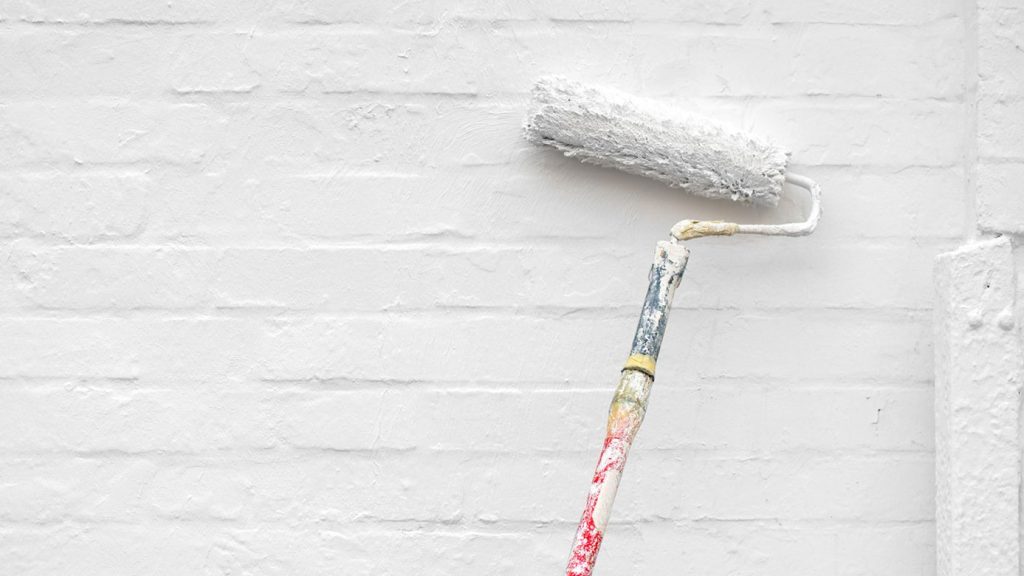
The roller is highly effective for covering large areas quickly. They come in different nap lengths that affect paint application and finish. Using rollers allows you to achieve even coverage, minimizing the time spent on the job.
A roller’s effectiveness really shines when painting flat surfaces like walls and ceilings. They hold more paint than brushes, which means fewer trips to the paint tray, making your work more efficient. Additionally, using a roller helps you achieve a smooth, even finish without leaving brush strokes, perfect for a professional-looking exterior.
Sprayers
Assuming you’re looking for speed, paint sprayers are an excellent choice for covering expansive areas quickly. They create an even coat and can reach difficult spots without the need for brushes or rollers, making them versatile.
Rollers can sometimes leave streaks, while sprayers provide a more uniform application. However, you should take care to protect surrounding areas from overspray, as sprayers can be less precise. Always use a masking tape for edges and drop cloths to keep your property clean during the job.
Essential Tips for Choosing Tools
One of the first steps to ensure a successful painting project is selecting the right tools. Pay attention to aspects such as brush quality, roller types, and sprayer options. Here are some tips to guide you:
- Consider your exterior surface.
- Select tools that match the paint type.
- Choose comfortable handles for extended use.
- Look for tools that offer good coverage to minimize time.
Any informed selection of tools can significantly enhance your painting experience.
Quality vs. Price
Any decision on tool purchases should weigh quality against price. Investing in high-quality tools may cost more upfront, but they often deliver better performance, durability, and results. Lower-priced options might seem appealing, but they may require frequent replacement or lead to subpar outcomes, costing you time and effort in the long run.
Tool Compatibility
On selecting your painting tools, it’s important to consider compatibility. Ensure that your paint sprayer works well with the paint type you’ll use and that brush sizes match your painting requirements. Check if the roller nap length suits your wall texture, as these factors can significantly affect application and finish quality.
Understanding the specifications of your tools is key to achieving the best results. Choose a paint sprayer that suits your desired finish, like a high-efficiency airless sprayer for smooth coverage. Ensure your brush is made for latex or oil-based paints, as compatibility ensures optimal paint application and eases the overall process. Using incompatible tools can lead to poor finishes and wasted materials, ultimately jeopardizing the entire project. Prioritize your tool choices with compatibility in mind for a successful painting experience.
Step-by-Step Guide to Painting
All successful exterior painting projects follow a structured process, ensuring a smooth and professional finish. Below is a comprehensive guide that outlines the crucial steps for painting:
| Step | Description |
| 1. Preparation | Clean and repair surfaces to ensure optimal adhesion. |
| 2. Priming | Apply primer to enhance paint longevity and finish. |
| 3. Painting | Use a roller or brush, applying paint evenly. |
| 4. Detailing | Touch up edges and hard-to-reach areas. |
| 5. Cleanup | Clean your tools and dispose of materials properly. |
Preparation
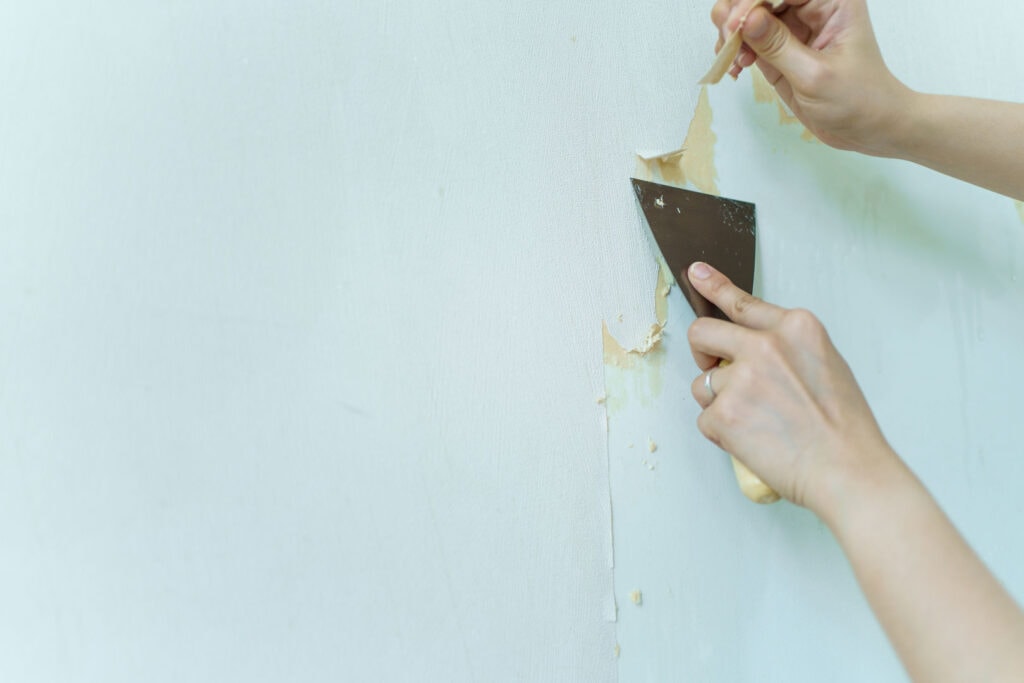
If your surfaces are ready to go, you can start by removing dirt, mildew, and old paint. You can pressure wash or scrub with a suitable cleaner to ensure your surfaces are contaminant-free. Filling in any cracks or holes with caulk or patching compound is crucial for a smooth finish.
Painting Techniques
Techniques employed during the painting process can significantly affect the final appearance. Always use quality brushes and rollers suited for your paint type, and consider using a paint sprayer for larger areas, which can save time and provide an even coat.
Another crucial factor is to paint in sections, maintaining a wet edge to avoid lap marks. Apply thin, even coats, allowing adequate drying time between layers. Utilize drop cloths to protect landscaping and safety gear to safeguard yourself from overspray and fumes. This attention to detail will produce a professionally finished project that enhances your home’s curb appeal.
Factors to Consider Before Painting
Once again, before exploring your exterior painting project, it’s important to weigh some crucial factors that can affect the success of your painting. Consider the following:
- Weather conditions
- Surface type
- Paint quality
- Preparation time
This will help ensure your investment in paint and labor yields long-lasting results.
Weather Conditions
Painting in optimal weather conditions is vital for achieving an even and durable finish. Avoid painting during extreme temperatures, wet conditions, or high humidity, which can interfere with your paint’s adhesion and drying time. Aim for moderate temperatures and dry days to give your exterior paint the best chance for success.
Surface Type
To achieve an exceptional paint job, consider the surface type of your home’s exterior. Different materials like wood, stucco, or vinyl require specific types of paint and preparation methods.
The condition of your surface can significantly affect the outcome of your paint application. For instance, wood may require sealing and priming to prevent moisture damage, while stucco may necessitate a textured finish for better adhesion. If you overlook these details, you risk chipping or peeling paint that will not last. It’s crucial to assess your surface and select the right paint to ensure durability and aesthetic appeal.
Pros and Cons of Different Tools
Your choice of painting tools can significantly impact the quality and efficiency of your exterior paint job. Here’s a breakdown of the advantages and disadvantages of each type of tool:
| Tool | Pros | Cons |
|---|---|---|
| Brushes | Great for detail work | Time-consuming |
| Rollers | Fast coverage on flat surfaces | Less control on edges |
| Sprayers | Even coverage saves time | Overspray risk |
| Foam Brushes | Smooth finish | Less durability |
| Pad Applicators | Good for flat surfaces | Can absorb less paint |
Brushes vs. Rollers
Cons of brushes include that they can take longer to cover large areas and require more effort to maintain a steady hand. Meanwhile, rollers can provide rapid coverage but lack the precision needed for corners and edges, making them less ideal for detailed work.
Sprayers: Advantages and Disadvantages
The effectiveness of sprayers can be both a blessing and a curse. While they offer fast application and even coverage, they also pose the risk of overspray, leading to wasted paint and damage to surrounding surfaces if not appropriately managed. Also, you’ll need to prepare to protect areas that are not being painted.
Sprayers dramatically increase the speed of your projects, allowing you to achieve a seamless and professional finish. However, due to the volatile nature of the paint fumes, you must pay attention to safety precautions. Using a sprayer demands skill to prevent excessive spraying, which can lead to paint drips and uneven layers. Ultimately, deciding to use a sprayer requires balancing the benefits of speed and finish quality against the potential downsides of overspray and preparation time.
Maintenance of Painting Tools
Many homeowners often overlook the importance of maintaining painting tools, yet proper care can significantly enhance their performance and lifespan. You ensure a smoother painting process and consistently high-quality results by dedicating time to keeping brushes, rollers, and sprayers. Regular maintenance saves you money in the long run by reducing the need for replacements and allows you to enjoy efficient and effortless painting projects.
Cleaning and Storage
Little attention to cleaning can lead to the deterioration of your tools. After each use, rinse your brushes and rollers with warm water and mild soap to remove paint residues. For storage, keep them in a clean, dry place, ideally in toolboxes designed to prevent damage. This simple routine helps preserve your tools and prepares them for future projects.
Longevity Tips
Storage is just as vital as cleaning for the long-term effectiveness of your tools. Here are some tips to help enhance the longevity of your painting tools:
- Keep your brushes upright in holders to maintain their shape.
- Seal your rollers tightly in plastic wrap after cleaning to prevent drying out.
- Condition your spray guns regularly to remove paint buildup.
These actions will greatly help extend your painting tools’ life, ensuring they perform effectively for years to come.
Well-maintained tools not only serve you better but also enhance safety during usage. Using damaged or unclean tools can lead to poor results or even accidents. Prioritize their care by addressing issues immediately, ensuring a smooth workflow. By investing a little effort into maintenance, you create a positive painting environment that reflects in your results. Perceiving the benefits of this routine will keep your tools performing at their best.
Conclusively, selecting the right tools for painting the exterior of your home can significantly impact the quality and longevity of your work. Invest in high-quality brushes, rollers, and sprayers that match your chosen paint type for optimal results. Don’t overlook imperative accessories like tarps, ladders, and painter’s tape to ensure a clean and efficient process. By equipping yourself with the right tools, you can achieve a professional finish and enhance the beauty of your home for years to come.
Q: What types of brushes are best for painting the exterior of my home?
A: When choosing brushes for exterior painting, synthetic bristle brushes are recommended, as they hold up well with latex paints, which are commonly used for outdoor surfaces. A 2—to 3-inch angled brush is ideal for cutting in edges around trim and windows. For larger surfaces, a 4—to 6-inch flat brush can speed up the process. Additionally, consider using a roller with a long nap for textured surfaces to ensure even coverage and efficiency.
Q: Should I use spray paint or traditional brushes and rollers for my exterior project?
A: The choice between spray paint and traditional brushes and rollers depends on the size and intricacy of the project. Spray painting can quickly cover large areas and provide a smooth finish without brush marks, making it suitable for flat areas like siding. However, brushes or rollers allow for more control and precision for detailed areas such as trim and windows. Often, combining both methods can yield the best results, allowing for efficient coverage while maintaining detailed work.
Q: What accessories should I have on hand when painting the exterior of my home?
A: The right accessories can significantly enhance your painting experience. Essential accessories include painter’s tape to protect edges, drop cloths to safeguard surrounding areas, and a paint tray for easy access to your paint. A sturdy ladder or scaffolding is crucial for reaching higher areas safely. Additionally, you may want a paint stirrer for mixing, a roller extension pole for far-reaching spots, and a brush cleaner to keep your tools in top shape for multiple uses.