Calculating the True Expense of Painting Your House
Painting your house is more than just a cosmetic upgrade—it’s a strategic investment that enhances curb appeal, protects your property, and increases its long-term value. However, the real cost of painting a house extends far beyond the price of a gallon of paint. From surface preparation and paint quality to labor and hidden repairs, there are multiple layers to consider before budgeting for your project. In this comprehensive guide, we’ll walk you through every factor that influences your final bill, helping you make informed decisions and avoid costly surprises.

Key Factors That Shape Your House Painting Budget
1. Surface Area and Scope
The total square footage of your home’s exterior or interior is the most basic determinant of cost. Larger homes or multi-room projects require more paint, more time, and more labor. Most professional painters quote prices per square foot, with exterior painting typically ranging from $1.25 to $4.17 per square foot and interior painting from $2 to $6 per square foot.

2. Condition of Your Surfaces
Walls or exteriors that are cracked, peeling, or weathered will need extra prep work. Sanding, patching, priming, and even minor repairs can double your prep time and labor costs. Homes built before 1978 may also require lead-safe practices, which add to the overall expense.
3. Paint Quality and Finish
Premium paints offer better durability, coverage, and finish, but they come at a higher price. Budget-friendly options may save money upfront but could require more coats and frequent touch-ups, increasing long-term costs. Choosing the right paint type—acrylic, latex, oil-based, or specialty finishes—also impacts your budget.
4. Preparation and Surface Treatment
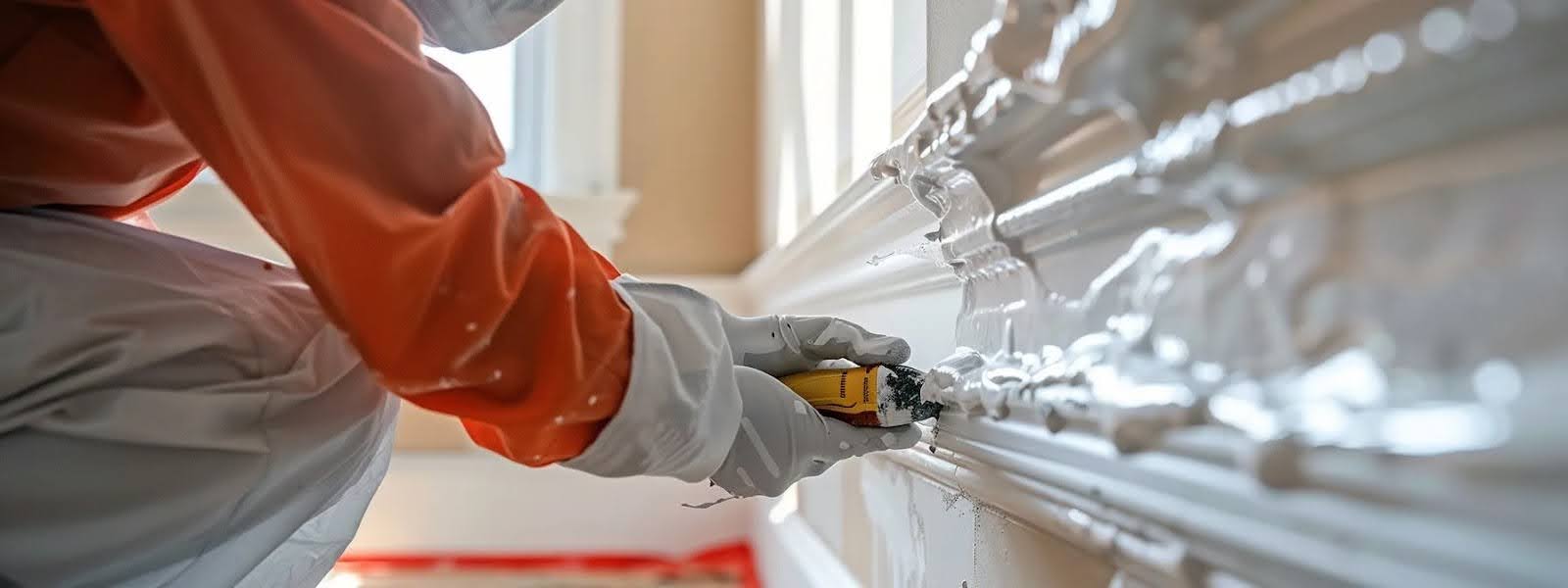
Proper preparation is the foundation of a lasting paint job. This includes cleaning, scraping, sanding, and priming. Textured walls, intricate trim, or complex architectural details demand more time and skill, further increasing costs.
5. Labor and Expertise
Labor is often the largest portion of your painting budget. Rates vary by region, experience, and project complexity. Some contractors charge hourly, while others offer flat rates. Hiring a certified, experienced painter ensures quality work and can prevent costly mistakes.
6. Accessibility and Specialized Equipment
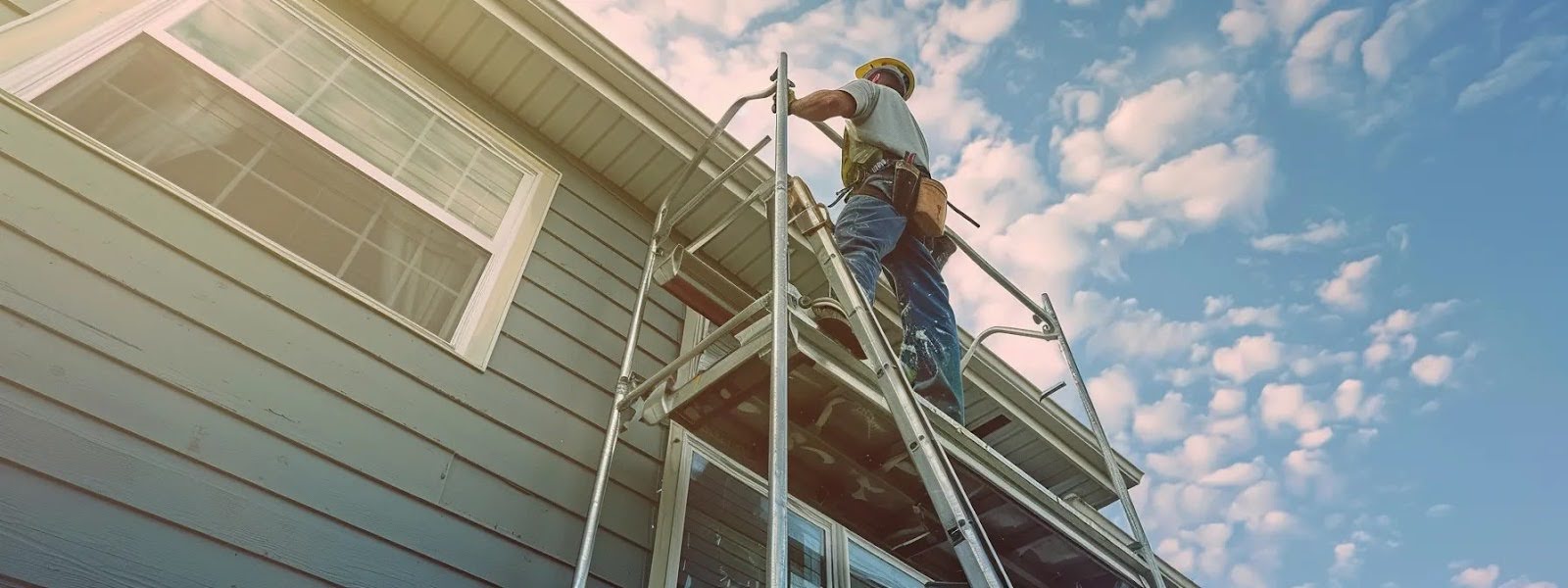
Hard-to-reach areas, multi-story homes, or homes with unique architectural features may require scaffolding, lifts, or other specialized equipment. These tools add to your overall expense but are essential for safety and quality.
7. Additional Services and Repairs
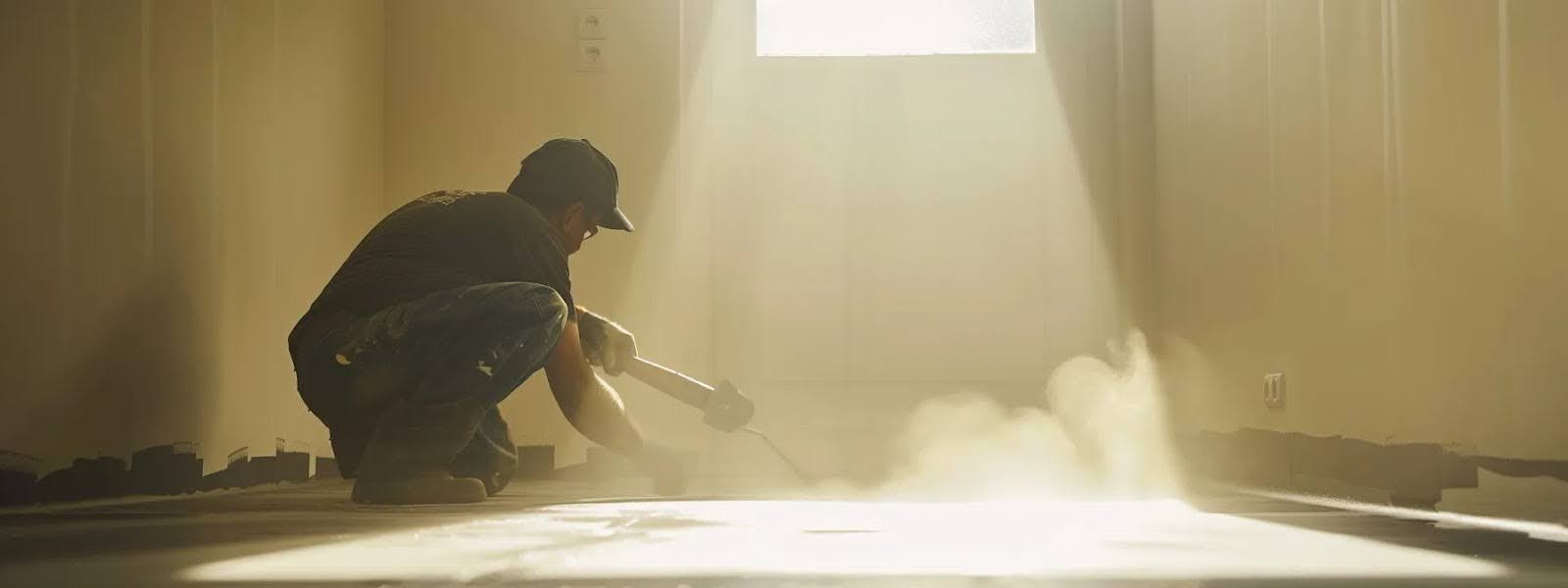
Many homeowners choose to paint trim, ceilings, cabinets, or even exterior features like decks and railings. Specialized finishes, custom colors, or textured applications may also require extra time and materials. If your home needs repairs—such as fixing rotted wood, replacing siding, or stucco repairs—these costs should be included in your estimate.

How to Accurately Estimate Your House Painting Costs
Step 1: Measure the Surface Area
Calculate the total square footage of the surfaces you plan to paint. For exterior painting, multiply the perimeter of your home by its height, then subtract the area of windows and doors. For interiors, measure each wall and add them up.
Step 2: Estimate Paint Quantity
Most paints cover 350–400 square feet per gallon. Divide your total area by the coverage rate to determine how many gallons you’ll need. Remember to account for multiple coats, especially for dark or textured surfaces.
Step 3: Factor in Prep and Labor
Estimate the time and cost for surface preparation, priming, and labor. Homes in poor condition or with complex features will require more prep work, which increases your total cost.
Step 4: Choose Your Paint
Decide on the quality and brand of paint. Premium paints may cost more upfront but can save money in the long run by reducing the need for frequent touch-ups or repainting.
Step 5: Include Additional Costs
Budget for any extra services, such as ceiling or trim painting, repairs, or specialized finishes. Don’t forget to account for equipment rental, disposal fees, and cleanup costs.
Step 6: Get Multiple Quotes
Always request quotes from several reputable painters. Compare not only the price but also the scope of work, materials, and warranty offered. A detailed, transparent quote will help you avoid hidden fees and budget overruns.

Tips for Saving Money on House Painting
-
Do Some Prep Yourself: If you’re handy, save on labor by doing basic prep work, such as cleaning and minor patching.
-
Paint in Stages: Break the project into phases to spread out costs.
-
Choose Standard Colors: Custom or specialty colors often cost more. Opt for standard shades to keep your budget in check.
-
Shop for Deals: Look for sales on paint and supplies, especially during off-peak seasons.

Frequently Asked Questions
1. What is the average cost to paint a house?
The average cost to paint a house varies widely depending on size, condition, and location. For interior painting, expect to pay $2 to $6 per square foot, totaling $1,000–$3,000 for most homes. Exterior painting typically ranges from $1.25 to $4.17 per square foot, with total costs influenced by surface area, paint quality, and labor rates.
2. What factors affect the cost of painting a house?
Several factors impact house painting costs, including total surface area, condition of walls or exteriors, paint quality, level of preparation required, labor rates, accessibility, and any additional services or repairs needed. Homes with complex architectural details or extensive damage will generally cost more to paint.
3. How much does it cost to paint a single room?
Painting a single room can cost anywhere from $200 to $800, depending on room size, paint quality, and prep work required. Small rooms like bathrooms or entryways may be on the lower end, while larger rooms such as living rooms or master bedrooms will cost more due to increased square footage and paint needs.
4. Should I paint my house myself or hire a professional?
DIY painting can save money, but it requires time, skill, and proper equipment. Professionals deliver a higher-quality finish, handle prep and repairs, and offer warranties. For large or complex projects, hiring a professional is often worth the investment to ensure a long-lasting, professional result.
5. How can I reduce the cost of painting my house?
You can reduce painting costs by doing some prep work yourself, choosing standard paint colors, shopping for deals on supplies, maintaining your home to minimize repairs, and considering a phased approach to your painting project. Getting multiple quotes from reputable painters can also help you find the best value for your budget.