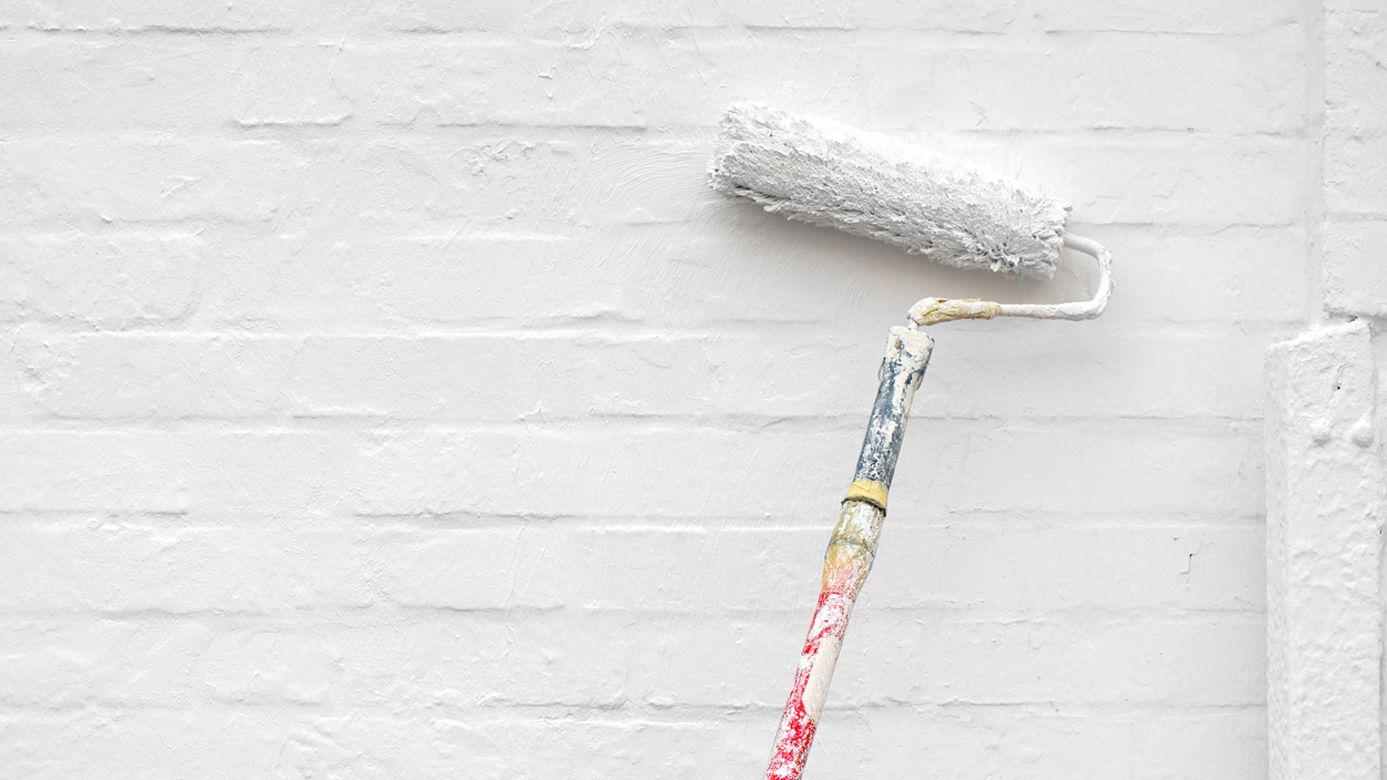
Brick walls have long been valued for their durability, character, and timeless appeal. However, their natural look sometimes aligns with modern or evolving interior design trends. Painting your interior brick wall can transform your space dramatically, adding style, warmth, and a personalized touch to your decor. This simple yet effective DIY project can revitalize a room, making it feel fresh and contemporary. In this guide, we’ll walk you through everything you need to know about painting interior brick walls, from selecting the right paint to mastering the painting techniques and maintaining your newly painted surface.
Choosing the Right Paint
Selecting the right paint is crucial for achieving a beautiful and lasting finish on your brick wall. Here’s what you need to consider:
- Type of Paint: Latex or acrylic paint is best for brick walls due to their durability and ability to adhere well to masonry surfaces. These paints are also breathable, allowing moisture to escape, which is essential for preventing brick damage over time.
- Finish: The paint’s finish can dramatically change the look of your wall. A matte finish offers a modern, understated look, while semi-gloss or gloss finishes can highlight the texture of the brick and make the room appear brighter.
- Color Choice: When choosing a color, consider the overall color scheme of your room. Light colors make a room feel larger and airier, whereas darker shades add coziness and depth. Neutral colors, with their versatile and timeless appeal, can reassure you that you’ve made a safe choice for any decor.
Preparing Your Brick Wall
Preparation is key to a successful paint job, especially on porous and uneven surfaces like brick.
- Cleaning the Wall: Before painting, ensure the wall is clean and free of dust, dirt, and grease. Use a stiff brush or vacuum to remove loose debris, and wash the wall with soapy water or a mixture of water and vinegar to eliminate stains or residues.
- Repairing Cracks and Holes: Fill any cracks or holes with a suitable filler designed for masonry. This step is essential to create a smooth and even surface for painting.
- Priming the Surface: A primer ensures the paint adheres properly and lasts longer. Choose a primer specifically designed for masonry or brick, which will seal the surface and provide a good base for the paint.
Painting Techniques for Brick
Once your wall is prepped, it’s time to start painting. Here are some techniques to achieve a professional finish:
- Using Brushes and Rollers: A combination of brushes and rollers works best for textured surfaces like brick. Use a roller with a thick nap to cover large areas quickly and a brush to reach into the mortar lines and tight corners.
- Spraying Method: If you can access a paint sprayer, it can be a highly efficient method for painting brick. It provides even coverage and can save time, especially for more enormous walls. Be sure to cover surrounding areas to prevent overspray.
- Applying Multiple Coats: Brick is porous and often requires at least two coats of paint for full coverage. Allow each coat to dry completely before applying the next to avoid streaks and uneven patches.
Maintaining Your Painted Brick Wall
Once your wall is painted, remember that proper maintenance is the key to keeping it fresh and vibrant for years. This responsibility will make you feel proactive and in control of your home’s appearance.
- Regular Cleaning: Dust and dirt can dull the appearance of your painted wall. To keep it clean and bright, regularly wipe it down with a damp cloth or use a gentle cleaner.
- Touch-Ups: Over time, your wall might experience chips or wear. Keep leftover paint for touch-ups, and periodically inspect the wall to address any minor issues before they become noticeable.
- Avoiding Moisture: Ensure good ventilation in the room to prevent moisture buildup, which can lead to peeling or bubbling of the paint. If your brick wall is in a humid area like a bathroom or kitchen, consider using a moisture-resistant sealant over the paint.
Painting your interior brick wall is not just a project; it’s a transformation. It’s a chance to breathe new life into your space, to make it feel fresh and contemporary. By choosing the right paint, preparing the wall correctly, and employing effective painting techniques, you can achieve a beautiful, durable finish that enhances your decor. With regular maintenance, your painted brick wall will remain stylish in your home for years. So why not take on this rewarding DIY project and update your room? Whether you’re looking for a subtle refresh or a bold statement, a painted brick wall could be the perfect solution.
Transforming interior brick walls with a fresh coat of paint can significantly enhance your home’s aesthetic appeal and modernize your living space. Painting these surfaces brings new life into your decor and allows you to customize your environment to suit your style. For the best results, trust the expertise of professionals. New Life Painting & Restoration specializes in delivering quality finishes that elevate interiors. Contact us today for a consultation and start your stylish decor update journey.
FAQ
What are the main steps to prepare an interior brick wall for painting?
Preparation is essential for a beautiful and enduring finish. Start by thoroughly cleaning your brick wall to remove dust, dirt, and any white residue caused by moisture. Use soapy water and a stiff-bristled brush, or for tougher stains, a trisodium phosphate solution. It is important to let the wall dry completely—typically for at least 24 hours—before moving forward. After cleaning, inspect the wall for cracks or gaps in the mortar and fill them with acrylic caulk, allowing everything to dry thoroughly. Avoid using acid-based cleaners, as they can cause issues with adhesion and future paint chipping.
What type of paint works best on interior brick walls?
Choosing the right paint type is key for durability and aesthetics. Latex or acrylic paints are recommended, as they adhere well to brick and allow the wall to breathe, preventing moisture buildup beneath the surface. For finish options, a matte paint will give a modern, understated appearance, while semi-gloss or gloss paints enhance the texture of the brick and brighten up the room. Be sure to select a color that complements your interior design, as light shades create an airy feel and darker tones add coziness and depth.
Do I need to use primer before painting a brick wall?
Applying a quality primer to your brick wall is highly recommended. Primer promotes better adhesion, blocks stains, and evens out the wall’s porous surface, helping your topcoat look uniform and last longer. Use a latex-based primer suitable for masonry. Once the primer is dry, give your wall one last inspection and touch up any cracks before applying your finish paint. This extra step ensures longevity and a professional-looking result.
What techniques are recommended for actually painting brick?
You can paint brick using a brush, roller, or sprayer, though a sprayer will speed up the job for larger surfaces. Regardless of your choice, tape off the surrounding area and place drop cloths to protect floors and nearby furnishings. Begin with the primer and allow it to dry fully before adding your chosen paint. Elastodynamic paints can be especially effective as they expand to fill small cracks, while regular high-quality acrylic-latex paint also delivers a strong result.
How do I maintain a freshly painted brick wall?
Maintaining your newly painted brick wall is relatively simple. Regular dusting with a soft cloth or vacuum attachment helps keep the surface clean. For stains or smudges, use a gentle soap and water mixture. Avoid harsh chemicals or abrasive tools that might damage the paint finish. Inspect the wall periodically for chips or cracks and touch up as necessary to preserve the look for years to come. Trusting professionals, like those at New Life Painting, ensures you have ongoing support and expert options for maintenance advice or future touch-ups.