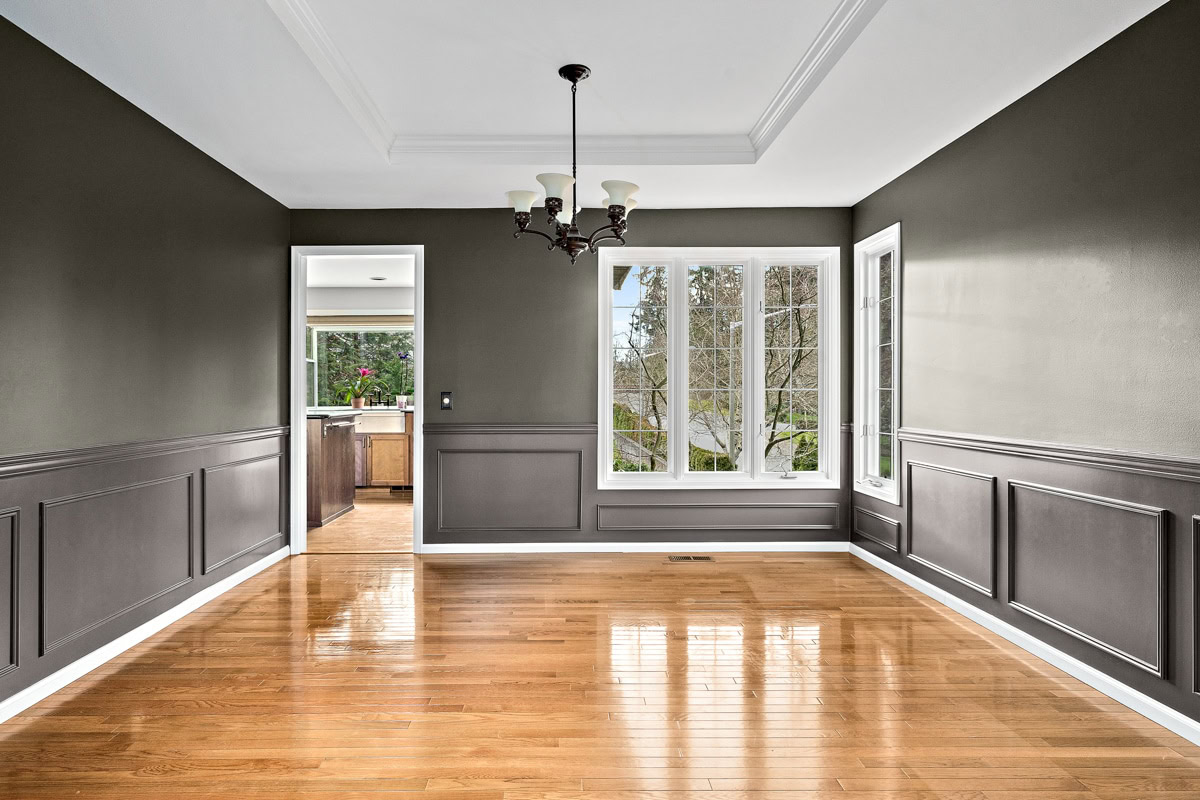
Most homeowners don’t wake up and think, “Today’s the day we repaint the living room.” Interior painting usually becomes a priority when little signs start stacking up—scuffs that won’t clean off, dull color that makes rooms feel tired, or patchy areas that stand out no matter how you light the space.
If you’re researching Newhall, Santa Clarita, CA interior painting, this guide will help you spot the most common (and most overlooked) signs it’s time to repaint—plus how to plan the project so the results look clean and hold up to daily life.
Why repainting at the right time matters
Interior paint isn’t only about appearance. A fresh paint job can:
- Make rooms feel brighter and more “finished”
- Help surfaces stay easier to clean
- Reduce the “worn” look that builds up over time
- Cover repairs and changes from remodels or wall patching
- Improve the overall feel of a home without major construction
Waiting too long usually means more prep work later—more patching, more sanding, and more time needed to get everything looking even again.
1) Scuffs and marks that won’t clean off anymore
Every home gets scuffs—hallways, corners, stairwells, kids’ rooms, and entry areas take the most hits. The sign it’s time to repaint is when your normal cleaning routine stops working.
You may notice:
- Dark rub marks near doors and light switches
- Fingerprints that keep “coming back”
- Scuffing along baseboards and lower walls
- Smudges around thermostat panels and outlets
When paint loses its protective surface, it starts absorbing grime rather than letting it wipe away. That’s usually the point where repainting is more effective than repeated scrubbing.
2) Fading, dull color, or uneven sheen
In Newhall homes, you may see fading and dullness in areas that get stronger daylight. Even interior paint can lose its vibrancy over time, especially on walls with large windows or where sunlight passes through glass.
Watch for:
- A “washed-out” look that makes the room feel flat
- One wall looks noticeably different than the others
- Patchy shine where some areas reflect light more than others
Uneven sheen often occurs when walls have been heavily spot-cleaned, touched up with a different paint batch, or repaired multiple times.
3) Touch-ups that stand out (even when you use “the same color”)
A big telltale sign: you try to touch up a wall, and the spot becomes more obvious than the original issue.
This happens because:
- Paint ages over time, even if the color name is the same
- The sheen can shift with cleaning and wear
- The original wall may have slight texture differences from rollers or repairs
If you’re seeing “polka-dot touch-ups,” it’s usually more cost-effective and better-looking to repaint the full wall (or the room) rather than chasing spot fixes.
4) Cracks, nail pops, and patchwork that’s multiplying
Interior painting is often the final step after small repairs—but if repairs keep stacking up, your walls can start to look busy and uneven.
Common signs:
- Hairline cracks around corners, doors, and windows
- Nail pops (small bumps or circles under paint)
- Old anchor holes from shelves, TVs, and wall décor
- Multiple patches that are visible under certain lighting
Repainting after repairs helps unify the surface, making the room look consistent again.
5) Stains that keep bleeding through
Some stains don’t stay covered without the right prep.
Typical stain sources include:
- Water marks from leaks (past or present)
- Smoke residue
- Pet-related stains (especially in older homes)
- Cooking splatter and grease near kitchens
If you’ve painted over a stain and it reappears, it’s a clear sign you need the correct stain-blocking steps before repainting. Otherwise, the problem will keep returning.
6) Peeling, bubbling, or flaking paint (often from moisture)
Interior paint should not peel under normal conditions. When it does, it usually points to moisture or adhesion issues.
Check areas like:
- Bathrooms (especially above showers)
- Laundry rooms
- Under windows
- Around sinks
- Any wall that shares plumbing
If you see bubbling or peeling, repainting should include a moisture check (and a plan to address the cause), or the fresh paint may fail again.
7) The room feels darker or smaller than it should
This one is subtle, but homeowners notice it once they repaint: rooms can feel brighter and cleaner even with the same lighting.
You may be due for repainting if:
- The room looks “dingy” despite cleaning
- White trim looks beige or gray compared to newer areas
- The paint tone no longer fits your flooring or décor
Even a small shift in wall color can make a big difference in how open the space feels.
8) Trim and doors look rough, even if the walls seem “fine”
Walls get the attention, but trim and doors often show age faster because they’re high-touch surfaces.
Signs it’s time:
- Hand oils and smudges near handles
- Chips along door edges
- Baseboards looking scuffed or worn
- Yellowing or dullness on white trim
- Visible brush marks from old touch-ups
Fresh trim paint can instantly make a room look sharper, even before furniture changes.
9) You’re updating floors, lighting, cabinets, or countertops
If you’re already investing in updates, old paint can make the new finishes feel mismatched.
Interior painting is often timed with:
- New flooring or carpet
- Lighting changes (that reveal wall flaws)
- Cabinet updates
- Bathroom refreshes
- New windows or sliding doors
Repainting after these projects helps the entire space feel cohesive instead of “half updated.”
10) Your walls show texture problems under modern lighting
New light fixtures, LED bulbs, and natural light can highlight wall issues that weren’t noticeable before.
You might see:
- Roller lap marks
- Patches that flash under angled light
- Rough texture near old repairs
- Uneven sheen that looks striped at certain times of day
If lighting is making flaws more visible, repainting with proper prep and a suitable finish can dramatically improve the smoothness and consistency of your walls.
11) Kids, pets, or high traffic have changed the wear pattern
Homes change as life changes. If your household has become busier, your paint may be taking more daily wear than when it was applied.
Common wear zones:
- Hallways and stairways
- Mudroom/entry routes
- Playrooms and bedrooms
- Areas where pets rub against walls
If cleaning is turning into a weekly battle, repainting with a smarter finish choice for durability can reduce maintenance stress.
12) You’re preparing to sell or rent out your home
Fresh paint is one of the most noticeable “clean and cared for” upgrades. In many cases, it’s also one of the simplest ways to improve first impressions.
Repainting can help:
- Neutralize bold or personal colors
- Make rooms look brighter in photos
- Reduce visible wear and patchwork
- Create a consistent look throughout the home
If you’re listing soon, don’t wait until the last minute—good prep and drying time matter.
How often should a Newhall home be repainted?
There’s no one perfect schedule, but here’s a practical guide for interior repainting cycles:
- High-traffic areas (hallways, entryways): often sooner
- Bedrooms (lower wear): usually longer
- Kitchens and baths (humidity + cleaning): depends on ventilation and finish
- Trim and doors (high touch): often need refreshes more frequently than walls
The right time is less about the calendar and more about the signs above—especially cleanability and surface consistency.
What a professional interior painting plan looks like
When homeowners in Newhall, Santa Clarita, CA, look for Newhall Santa Clarita, CA interior painting, a professional approach typically focuses on:
- Protecting floors and furniture properly
- Fixing wall issues before paint goes on
- Choosing finishes that match how the room is used
- Applying consistent coats so the color and sheen look even
- Keeping the home tidy and usable during the project
A clear plan up front makes the experience smoother—and the final results sharper.
If you’re planning a refresh and want a professional team, New Life Painting offers interior painting services in the Santa Clarita area.
Simple checklist: Are you due for interior painting?
If you answered “yes” to several of these, it’s likely time:
- Scuffs don’t clean off anymore
- Touch-ups look obvious
- You see fading or uneven sheen
- Patches and cracks are becoming noticeable
- The trim and doors look worn
- Stains keep returning
- A remodel made the old paint feel out of place
FAQs
1) Can I just touch up instead of repainting?
Sometimes, if the paint is newer and you have the same product and sheen. If touch-ups are showing, repainting the full wall usually looks cleaner.
2) What’s the most common sign homeowners miss?
Uneven sheen. It often shows up under daylight or angled lighting, making walls look patchy even when the color is “fine.”
3) Should I repaint the trim at the same time as the walls?
If your trim is scuffed, yellowed, or chipped, repainting it with the walls makes the whole room look more finished and consistent.
4) Do bathrooms need repainting more often?
They can, especially if ventilation is weak. Humidity and frequent cleaning can accelerate paint deterioration in bathrooms.
5) What finish is best for durability inside a busy home?
It depends on the room, but many homeowners prefer a washable finish for high-traffic areas. The right choice should match the wall condition and how the space is used.