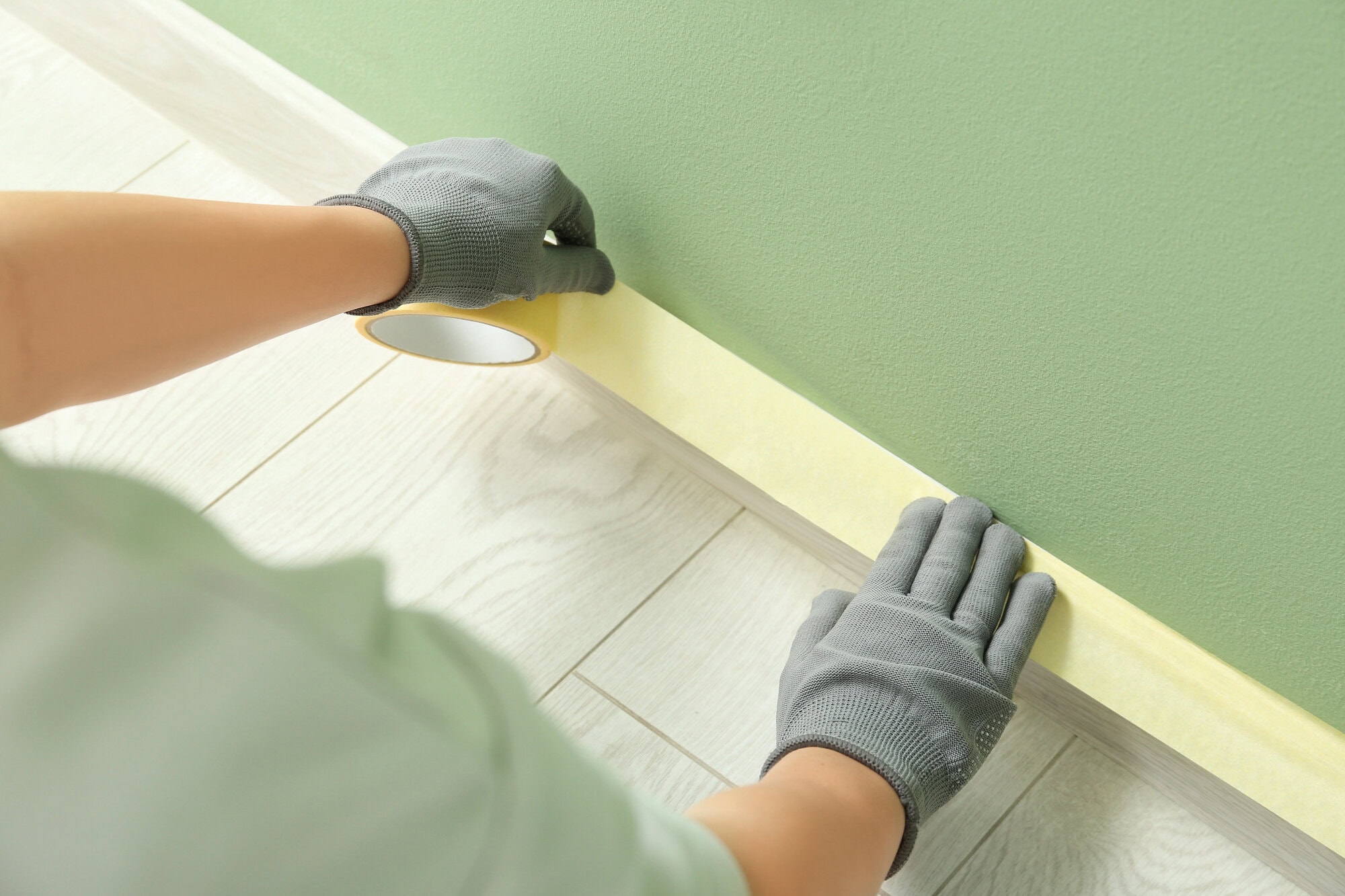
Trim is the frame around your room’s picture—baseboards, door and window casings, and crown molding that quietly tie everything together. Get the trim paint colors right and the whole space looks polished; get them wrong and even a beautiful wall color feels off. The good news is that a few simple principles make the choice easy.
Here’s what you’ll learn: how to choose a trim color, the best whites and finishes to use, and how trim should relate to your walls.
Why trim color matters
Trim outlines every room, so its color affects how crisp, cohesive, and finished the space feels. The classic approach is trim that’s lighter or brighter than the walls, which creates clean definition and makes wall colors pop. But trim can also blend, contrast, or make a bold statement—each choice changes the room’s whole personality.
White is (usually) the answer
For most homes, white trim is the timeless, flexible choice. It brightens the room, sharpens the lines, and works with virtually any wall color. But “white” isn’t one color—there are dozens of whites with different undertones:
- Crisp/cool whites feel modern and clean, great with grays and blues.
- Warm/soft whites feel cozy and traditional, great with beiges and warm tones.
- Bright true whites deliver maximum contrast and a fresh, sharp look.
The key is matching the trim white’s undertone to your wall color and lighting. A warm white next to a cool gray wall can look dingy, while the right white looks intentional. When choosing your overall palette, our guide to picking interior paint colors walks through coordinating walls and trim together.
Trim vs. wall color: your options
You have more choices than plain white:
| Approach | Effect | Best for |
|---|---|---|
| Lighter/white trim | Crisp, classic definition | Most rooms |
| Same color as walls | Seamless, calm, expansive | Small rooms, modern looks |
| Darker than walls | Bold, dramatic framing | Statement spaces, studies |
| Contrasting color | Custom, characterful | Accent rooms |
A safe rule: when in doubt, go white or off-white for trim and let your walls carry the color. For a more contemporary, seamless feel, painting trim the same color as the walls is increasingly popular.
The right finish for trim and baseboards
Finish matters as much as color on trim:
- Use satin or semi-gloss. Trim takes bumps, scuffs, and cleaning, so a more durable, wipeable sheen holds up better than flat.
- Add contrast through sheen. Even trim painted the same color as the walls stands out subtly when it’s a higher sheen.
- Prep for a smooth line. Trim shows brush marks and dust easily, so clean, sand, and caulk first. Our wall prep checklist covers the fundamentals that apply to trim too.
For a deeper look at how sheen behaves in different rooms, our sheen guide breaks it down. Paint makers like Sherwin-Williams also publish popular trim whites and their undertones to help you compare.
How to choose the right trim color
Bring it all together with a simple process:
- Start with your wall color and identify its undertone (warm or cool).
- Pick a trim white whose undertone matches, or choose an intentional contrast.
- Decide on contrast level—crisp white for definition, matching color for a seamless look.
- Test large samples on the actual trim and view them in day and evening light.
Which trim color is right for you?
If you want a classic, foolproof look, a white or off-white with an undertone that matches your walls is the answer. If you prefer something modern and calm, paint the trim the same color as the walls in a higher sheen. And if you want drama, a darker or contrasting trim can frame a room beautifully. Always test before you commit—lighting changes everything.
Get crisp, professional trim work
Clean trim lines are one of the clearest signs of a quality paint job—and they’re also the hardest to execute by hand. If you want sharp, durable results, we’re here to help. New Life Painting’s interior painting services include expert trim and baseboard work. Homeowners across Castaic and greater Santa Clarita trust our crews for a flawless finish. We proudly serve Santa Clarita, CA and surrounding communities—Valencia, Stevenson Ranch, Saugus, Newhall, Castaic, and Canyon Country. Call (661) 289-6564 or request a free estimate for a no-pressure quote.
Frequently Asked Questions
What is the best white for trim?
The best white depends on your wall color and lighting—match the trim white’s undertone to your walls so it looks intentional rather than dingy. Cool, crisp whites suit grays and blues, while warm, soft whites pair with beiges and warm tones. Testing large samples on the actual trim is the surest way to choose.
Should trim be lighter or darker than the walls?
The classic look is trim lighter or whiter than the walls, which creates crisp definition and makes wall colors pop. For a modern, seamless feel, trim can match the wall color in a higher sheen. Darker or contrasting trim is a bolder, more dramatic option for statement rooms.
Can I paint trim the same color as the walls?
Yes—painting trim the same color as the walls is a popular contemporary look that makes rooms feel calm and more expansive. Use a higher sheen on the trim so it still stands out subtly. This approach works especially well in small rooms and modern spaces.
What finish should I use on trim and baseboards?
Satin or semi-gloss is best for trim and baseboards because it’s durable and easy to wipe clean, standing up to scuffs and daily contact. A higher sheen than the walls also adds subtle definition. Flat finishes aren’t recommended for trim since they mark and clean poorly.
How do I choose a trim color to match my walls?
Start by identifying your wall color’s undertone, then pick a trim white with a matching undertone for a cohesive look, or choose a deliberate contrast. Decide how much definition you want—crisp white for a classic frame or a matching color for a seamless feel. Always test large samples in your room’s actual light.