How to Successfully Paint Your Home Outdoors Year-Round
Painting your home’s exterior is one of the most effective ways to boost its value and protect it from the elements. In Castaic, CA, seasonal shifts play a major role in how and when you should approach this project. With the right strategy, you can ensure your paint job stands up to the region’s climate and keeps your home looking its best year-round.
Why Season Matters for Exterior Painting
Castaic’s climate brings warm summers, mild winters, and occasional rain, so timing your painting project correctly is crucial. Paint performs best when applied during stable, dry weather. High temperatures, humidity, and sudden rain can all affect drying times and adhesion, so it’s important to plan around these factors.
Best Seasons for Exterior Painting in Castaic
Spring: A Fresh Start
Spring is a popular time for exterior painting thanks to mild temperatures and lower humidity. However, be mindful of spring showers—painting during or just after rain can cause bubbling or peeling. For best results, choose a day when temperatures are above 50°F and the forecast calls for several dry days.
Summer: Steady and Sunny
Summer offers long, warm days that are ideal for painting. The challenge is the intense heat, which can cause paint to dry too quickly and crack. To avoid this, paint early in the morning or late in the afternoon, and keep surfaces shaded when possible. Watch for humidity spikes, which can affect how well paint adheres.
Fall: The Sweet Spot
Fall is another excellent window for exterior painting. Temperatures are cooler but still warm enough for paint to cure properly. The risk of rain is lower than in spring, but make sure to finish before nighttime temperatures drop below 50°F.
Winter: Use Caution
Winter is generally not ideal for exterior painting. Most paints require temperatures above 50°F to cure correctly. If you must paint in winter, use cold-weather formulations and choose several consecutive mild, dry days.
Key Factors for a Successful Paint Job
-
Temperature: Aim for 50°F to 85°F for best results.
-
Humidity: Keep humidity below 70% to prevent adhesion issues.
-
Weather Forecast: Choose several consecutive dry days to allow paint to cure properly.
-
Surface Prep: Clean surfaces thoroughly, repair any damage, and use appropriate primers for your climate and surface type.
-
Paint Selection: Use paints specifically formulated for Castaic’s climate. Consider mildew-resistant, flexible, or elastomeric coatings for added durability.
Pro Tips for Year-Round Painting
-
Monitor hourly weather conditions, not just the daily forecast.
-
Use fast-drying primers and fungicidal additives in high humidity.
-
Schedule primers when nights won’t drop below the paint’s minimum temperature.
-
Consider elastomeric coatings for stucco to bridge hairline cracks.
-
Pre-job testing of surface temperature and dew point is important—paint may not cure evenly if the surface is close to dew point.
Frequently Asked Questions
What is the best time of year to paint my home’s exterior in Castaic?
The best time is typically late spring through early fall, when temperatures are moderate and extended dry periods are most likely. Always check the weather forecast and choose days with temperatures in the paint manufacturer’s recommended range, low humidity, no rain for the next 24–48 hours, and minimal wind.
How many coats of paint do I need for my home’s exterior?
Most exterior painting projects require two coats for optimal coverage and protection. One coat may suffice if you’re painting a similar color over a well-prepped surface, but two coats are generally recommended to hide the previous color and ensure durability.
Can I paint my brick home?
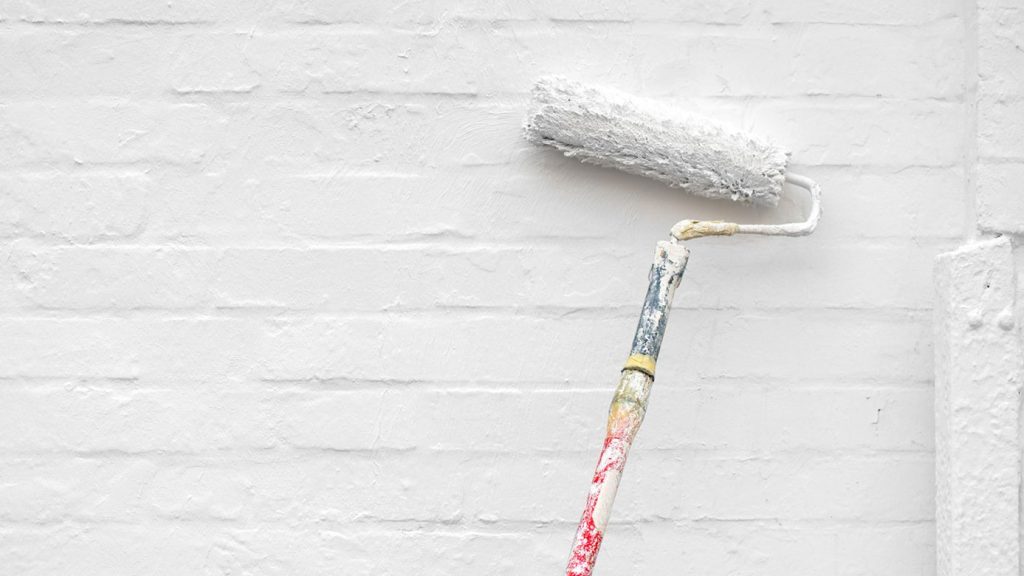
Yes, but painting brick is a permanent solution. Use acrylic breathable flat paint to avoid trapping moisture, and prep surfaces by dusting off loose particles and repairing any cracks or damage.
What types of paint work best for Castaic’s climate?
For Castaic’s conditions, choose mildew-resistant, flexible, or elastomeric coatings. These are formulated to handle temperature swings and humidity, providing longer-lasting results.
How do I prepare my home for exterior painting?
Clean surfaces thoroughly, repair any damage, and use appropriate primers. For stucco, consider elastomeric coatings to bridge hairline cracks. Pre-job testing of surface temperature and dew point is also recommended.
Can I paint during winter?
Winter painting is not recommended unless you use cold-weather formulations. Most paints require temperatures above 50°F to cure properly, and cold, wet weather can lead to poor results.
What should I do if the weather changes during my painting project?
If rain or extreme temperatures are forecast, pause your project and resume when conditions improve. Always allow several consecutive dry days for proper curing.
How do I choose the right color for my home’s exterior?
Consider your home’s architectural style, neighborhood trends, and personal preference. Test paint samples in different lighting conditions before making a final decision.