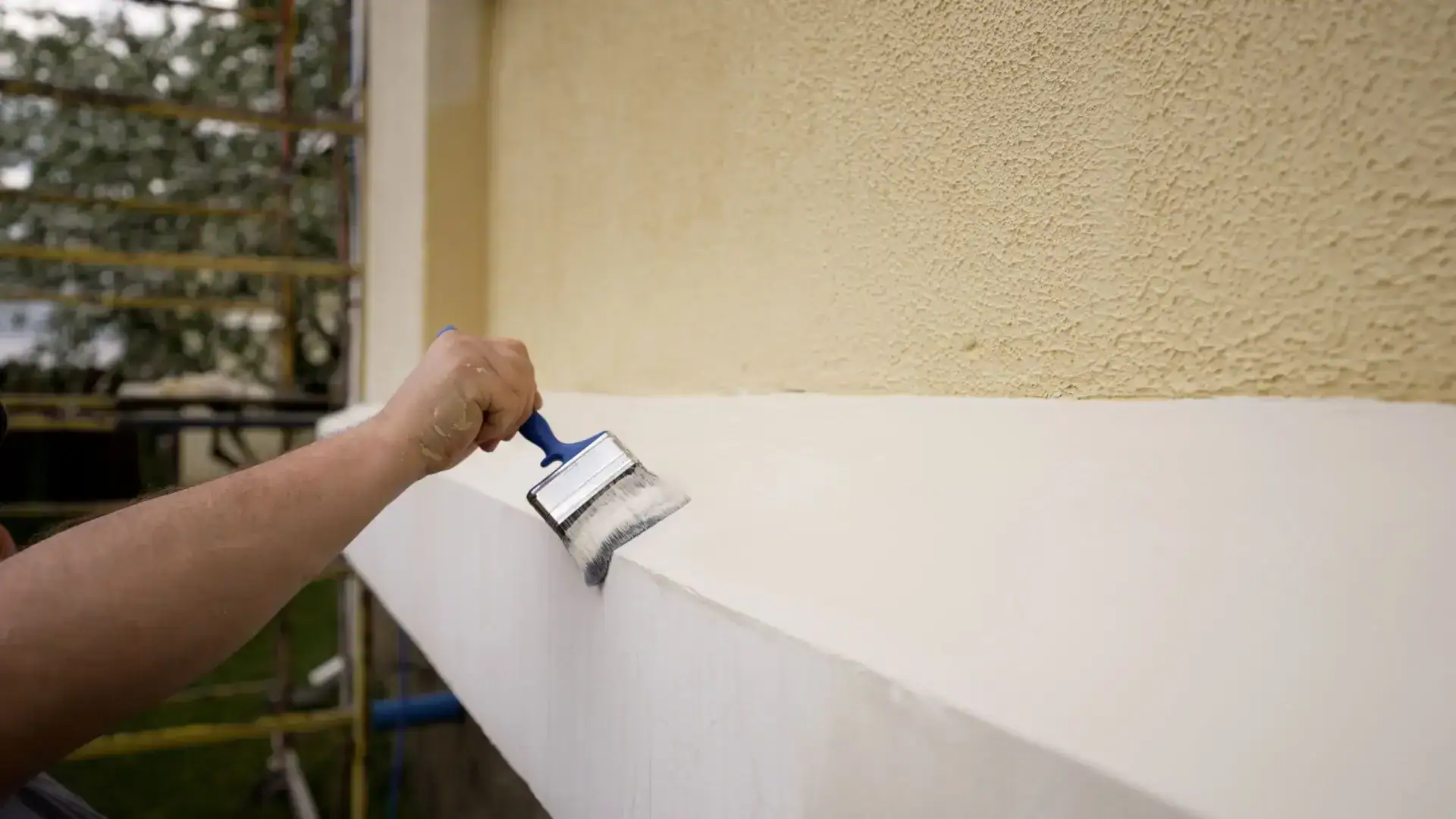
Painting the outside of your home can make a huge difference in curb appeal, protection, and overall pride of ownership. A fresh exterior color can brighten an older property, help a home feel more current, and protect surfaces from sun exposure, wind, and seasonal wear.
For homeowners in Santa Clarita communities with HOA rules, exterior painting often comes with one important step before the first coat goes on: approval.
Many homeowners are excited to choose a new color, schedule painting, and update their home’s look. But if the property is part of a homeowners’ association, the color may need to be reviewed before the project begins. This is where planning matters.
Understanding the HOA exterior paint color guidelines in Santa Clarita can help you avoid delays, rejected applications, repainting problems, and stress. The goal is not only to choose a color you like, but also one that meets community standards and complements your home’s style.
A smooth project starts with knowing what to expect.
Why HOA Paint Approval Matters Before Exterior Painting
HOA paint approval exists to help maintain a neighborhood’s visual consistency. While every community may have its own rules, many associations review exterior colors to ensure homes fit the area’s overall look.
This does not always mean every home must look the same. In many cases, homeowners still have color options. However, the choices may need to fall within an approved palette or meet certain design standards.
Starting exterior painting without approval can create problems. The HOA may require changes if the selected color is not allowed. In some cases, this could mean repainting part or all of the exterior, which adds cost and frustration.
That is why approval should happen before materials are purchased and before the project is scheduled.
For Santa Clarita homeowners, this step is especially important because many neighborhoods have planned community standards. A color that looks beautiful on one home may not be allowed in another community.
By reviewing the rules early, you can choose a color with more confidence and keep your project moving in the right direction.
Common HOA Rules for Exterior Paint Colors
HOA rules can vary, but many exterior paint guidelines cover similar areas. The association may have an approved color list, preferred color families, or rules about how colors can be combined.
Some communities may approve neutral body colors with trim colors that complement the main shade. Others may allow deeper tones, but only in certain areas, such as doors, shutters, or accents.
Rules may also cover finish type, sheen, contrast level, and where each color can be used. For example, a bold accent color may be acceptable for the front door but not for the entire exterior.
Many HOAs also want the roof, garage door, trim, stone, brick, and landscaping to work with the selected paint colors. This helps the home feel balanced instead of disconnected.
When reviewing HOA exterior paint colors, Santa Clarita homeowners should consider the entire color scheme, not just the main body color. Trim, fascia, doors, shutters, and garage doors can all affect approval.
A color that seems simple on a paint chip may look much stronger once applied to a large exterior surface. This is one reason careful selection matters.
What Homeowners Should Review Before Choosing Colors
Before choosing exterior paint colors, review your HOA documents or contact the association for current requirements. Do not rely on what a neighbor used unless you confirm the color is still approved for your specific property.
Start by looking for an approved color palette. Some communities offer pre-selected schemes that include a body color, a trim color, and an accent color. Others allow custom submissions as long as the colors meet design standards.
You should also check whether your HOA requires a formal application. This may include paint color names, color codes, finish types, sample photos, or a description of where each color will be used.
It is also helpful to take photos of your home in natural light. Look at fixed features such as the roof, stone, brick, garage door, driveway, and hardscape. These elements do not change easily, so your paint colors should work with them.
Choosing a color that fights with the roof or masonry can make the home feel off, even if the color itself is attractive.
A well-planned exterior color scheme should feel connected from the curb.
Why Santa Clarita Homes Need Thoughtful Exterior Color Choices
Santa Clarita homes face strong sunlight, warm weather, dry conditions, and seasonal changes. These factors can affect how exterior paint looks over time.
Sun exposure can make some colors appear lighter, flatter, or faded. Dark colors may absorb more heat and can show wear more quickly on certain surfaces. Lighter colors may help the home feel bright, but they can also reveal dirt or surface flaws depending on the finish and location.
This does not mean you need to avoid bold or deep tones entirely. It simply means exterior color should be selected with real conditions in mind.
The same color can look different in different shades of light, from direct sunlight to late afternoon. A paint chip viewed indoors may not accurately reflect the exterior effect.
For that reason, testing samples can be useful before submitting a final color choice to the HOA. A small sample area can help you see how the color works with your home throughout the day.
When considering HOA-approved exterior paint colors, Santa Clarita homeowners should consider both approval and long-term appearance.
How to Prepare an HOA Paint Approval Request
A clear HOA approval request can help reduce delays. The more complete your submission is, the easier it may be for the association to review it.
Most homeowners should be ready to provide the selected colors, color codes, paint brand information if requested, finish type, and where each color will be applied. For example, you may need to identify the body color, trim color, fascia color, garage door color, and front door color.
Photos may also help. A current photo of your home can show existing materials and help the reviewer understand the full color plan.
If your HOA has a form, fill it out carefully. Missing information may slow the process down. If the form asks for physical color samples, provide them in the requested format.
Do not schedule painting too tightly around the approval timeline. Even a simple approval can take time depending on the association’s review process.
Once approval is granted, keep a copy for your records. It is helpful to have written confirmation before work begins.
Benefits of Planning HOA Paint Approval Early
| Benefit | Why It Helps |
| Fewer delays | You can avoid last-minute issues before the painting date |
| Better color confidence | You know the selected colors fit community standards |
| Lower risk of repainting | Approval helps prevent rejected color choices |
| Smoother scheduling | Painters can plan around confirmed colors |
| Stronger curb appeal | The final color scheme fits both your home and neighborhood |
| Easier communication | Clear details help the HOA review your request |
Choosing the Right Main Exterior Color
The main exterior color sets the tone for the entire home. It covers the largest surface area, so it needs to work well with the home’s architecture, roof, landscaping, and surrounding homes.
For many Santa Clarita homes, popular exterior body colors include soft whites, warm beiges, light taupes, greiges, muted tans, and balanced earth tones. These colors often work well because they feel clean, natural, and easier to pair with trim and accents.
However, the best color depends on the home. A Spanish-style home may call for a warmer palette, while a more modern home may look better with cooler neutrals or crisp contrast.
The HOA may also limit the amount of contrast allowed. A high-contrast scheme may look dramatic, but it may not fit every community standard.
When choosing a main color, avoid selecting based only on a small chip. Exterior colors often look brighter and lighter in full sunlight. A color that seems calm indoors can appear much stronger outside.
Testing is always helpful. Even if the HOA requires approval first, you can still narrow your options with sample boards or approved color sheets.
Selecting Trim, Fascia, and Accent Colors
Trim and accent colors play a major role in the home’s final appearance. They can sharpen architectural details, soften the overall look, or add a touch of personality.
Trim is often used around windows, doors, rooflines, and other details. Fascia and eaves may be painted to match the trim or to blend more closely with the body color. The garage door may match the body color, trim color, or a separate approved shade.
Accent colors are usually used in smaller areas, such as the front door or shutters. Because accents are more noticeable, HOAs may have stricter rules about them.
A balanced color scheme usually includes enough contrast to create definition without making the home feel too busy. If the body color is warm, the trim should also work within that warmth unless the design calls for a clean contrast.
The front door can be a good place for a deeper or more inviting tone, as long as the HOA allows it.
For Santa Clarita homes, trim and accents should also be viewed in natural light. Strong sun can make bright trim feel even brighter and dark accents feel more intense.
Why Paint Finish and Sheen Can Affect the Final Look
Color is not the only choice that matters. Paint finish and sheen can also change the way an exterior looks.
A flat or low-sheen finish may soften the appearance of stucco or siding, while a higher sheen can highlight details and make surfaces more reflective. Trim and doors may use a different finish than the main body, depending on the surface and desired look.
HOA rules may include guidance on finish types. Some communities may prefer less reflective finishes for exterior walls. Others may allow more sheen on trim or doors.
The right finish should also support durability. Exterior surfaces need paint that can handle sun, wind, moisture, and routine wear.
Working with a professional exterior painting team can help homeowners choose products and finishes that fit both the surface and the approved color plan.
New Life Painting offers exterior painting services for homeowners who want a cleaner, longer-lasting exterior update with careful preparation and application.
Mistakes to Avoid With HOA Exterior Paint Colors
One common mistake is choosing colors before checking HOA rules. This can lead to disappointment if the selected palette is not allowed.
Another mistake is assuming that a neighbor’s color is automatically approved for your home. Even if a nearby home has a color you like, your HOA may have different rules based on lot, elevation, architectural style, or updated standards.
Homeowners may also forget to submit all parts of the color scheme. If only the body color is submitted, the HOA may still need details for trim, doors, fascia, and the garage door before approval.
A rushed application can also slow things down. Missing color codes, unclear placement notes, or incomplete forms may lead to follow-up requests.
Another issue is choosing colors that look good in isolation but not on the actual home. Paint should work with the roof, hardscape, windows, and fixed materials.
Finally, avoid painting before written approval is received. Verbal comments or assumptions may not be enough if questions come up later.
How Professional Painters Can Help With HOA Painting Projects
Professional painters can make the exterior painting process easier, especially when HOA approval is involved.
A skilled painting team can help homeowners think through color placement, finish choices, surface condition, and project timing. While homeowners are usually responsible for submitting to the HOA, painters can often provide useful details for the application, such as color information and the scope of work.
Professional painters also understand that exterior painting is more than applying color. Proper preparation is important. Surfaces may need washing, scraping, sanding, caulking, patching, priming, and protection before painting begins.
This matters because even an approved color will not look its best if the surface is poorly prepared.
In Santa Clarita, exterior surfaces can show wear from sun exposure, dust, and seasonal conditions. Paint may fade, crack, peel, or become uneven over time. A professional process helps address these issues before the new finish is applied.
The result is a cleaner appearance and better performance from the paint system.
When Should You Repaint Your Home’s Exterior?
Homeowners often wait until the exterior paint looks worn before scheduling a project. While visible wear is a clear sign, it is not the only reason to repaint.
Fading, chalky residue, peeling paint, cracked caulking, exposed wood, stained areas, and uneven color can all suggest it is time to repaint. Some homes may also need repainting when the color no longer fits the homeowner’s style or the community’s updated standards.
If you plan to repaint in an HOA community, start early. Approval can add time to the process, so waiting until the paint is badly worn may delay it.
A planned repaint is often easier than a rushed one. You have more time to review colors, gather documents, submit the request, and schedule the project at the right time.
In Santa Clarita, it is also smart to consider the weather and temperature. Exterior painting should be done under suitable conditions so the paint can bond and cure correctly.
How to Make Your Exterior Color Scheme Feel Updated
An updated exterior color scheme does not always mean choosing the trendiest color. In HOA communities, timeless and balanced choices often work best.
A good exterior palette should make the home feel clean, cared for, and connected to its surroundings. It should also respect the home’s architectural style.
For example, a warm neutral body color with soft trim can create an inviting look. A deeper front door color can add interest without overwhelming the design. A garage door painted closer to the body color can help reduce visual weight, while trim can define windows and rooflines.
Small choices can make a big difference.
The key is to create a complete palette, not a single-color decision. When the body, trim, fascia, door, and garage color work together, the home feels more polished.
HOA exterior paint colors Santa Clarita homeowners choose should feel fresh but still appropriate for the neighborhood.
What to Ask Before Hiring Exterior Painters
Before hiring a painter, ask about their exterior painting process. The answer should include preparation, surface repairs, priming when needed, paint application, cleanup, and final review.
You can also ask how they protect landscaping, walkways, windows, doors, lighting, and other exterior features.
For HOA projects, ask whether they can provide paint color details needed for your submission. While they may not submit the request for you, helpful documentation can make your application easier to submit.
It is also worth asking about timing. Once HOA approval is received, you will want to know how scheduling works and what to expect before the project begins.
A professional painter should be able to explain the process clearly and help you feel prepared.
The right team will not rush straight to painting. They will focus on the steps that help the finished exterior look clean, even, and well-finished.
Preparing Your Home Before Exterior Painting Begins
Once HOA approval is complete and the painting date is planned, there are a few ways to prepare your home.
Move outdoor furniture, potted plants, decorations, and other items away from the home when possible. Trim back landscaping that touches the exterior walls. Ensure gates are accessible and that pets are kept safely away from work areas.
If windows or doors need to stay closed during parts of the project, plan for that ahead of time. It can also help to notify household members about the painting schedule.
Good preparation helps the crew work more efficiently and protects your belongings.
Your painter may provide specific instructions before the project begins. Following those instructions can help prevent delays and keep the work area clear.
The better the setup, the smoother the project tends to be.
Why Proper Exterior Painting Protects Your Home
Exterior paint does more than improve appearance. It helps protect surfaces from weather, sunlight, moisture, and general wear.
When paint starts to fail, surfaces beneath it may become more exposed. This can lead to peeling, cracking, wood damage, or other problems, depending on the material.
A quality exterior painting project begins with surface preparation. Paint needs a sound surface to bond properly. Washing, scraping, sanding, caulking, and priming all support the final result.
For Santa Clarita homeowners, sun exposure can be a major factor. A well-planned paint system can help the exterior hold its color and finish more effectively over time.
Choosing the right colors, products, and painting process can help protect the home while improving curb appeal.
HOA Paint Approval in Santa Clarita
HOA approval may feel like an extra step, but it can help protect your investment and avoid problems during your exterior painting project.
Before choosing colors, review your HOA rules, look for approved palettes, and understand the submission process. Think about the whole home, including body color, trim, fascia, garage door, front door, roof, and fixed materials.
For the best results, choose colors that meet HOA exterior paint color requirements in Santa Clarita while still making your home feel fresh and inviting.
A well-planned exterior repaint can improve curb appeal, protect your home, and help it feel more aligned with your style. With proper preparation and a clear approval process, homeowners can move forward with greater confidence.
New Life Painting can help homeowners refresh their exterior with careful preparation, quality paint application, and a smooth process from start to finish.
FAQs
Do I need HOA approval before painting my home exterior in Santa Clarita?
Many HOA communities require approval before exterior painting begins. Homeowners should review their community rules and submit the required color details before scheduling the project.
What information does an HOA usually need for exterior paint approval?
An HOA may ask for body color, trim color, accent color, garage door color, finish type, paint codes, and photos of the home. Some associations may also require a formal application or physical samples.
Can I choose any exterior paint color if I live in an HOA community?
Usually, no. Many HOA communities have approved palettes or design rules. You may have options, but the selected colors must meet the association’s standards.
What happens if I paint without HOA approval?
Painting without approval can lead to problems if the HOA rejects the colors. In some cases, the homeowner may be asked to repaint using approved colors, which can add extra cost and stress.
How can New Life Painting help with an HOA exterior painting project?
New Life Painting can help with exterior painting preparation, product planning, surface painting, and finish application. Homeowners can use the selected paint details when preparing their HOA approval request.