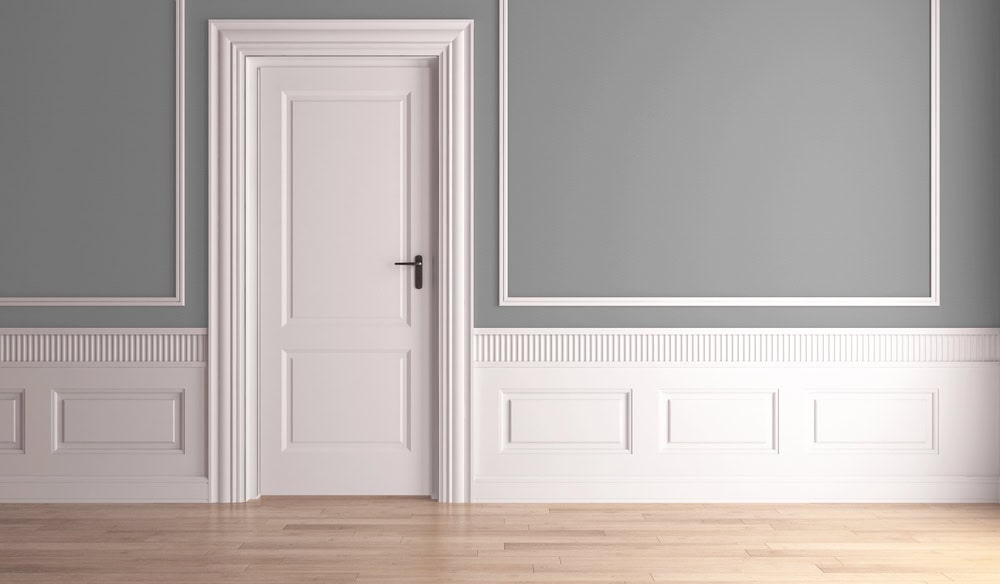
Expert Tips for Painting Interior Doors Like a Pro | New Life Painting
Interior doors are often overlooked, but a fresh coat of paint can instantly elevate your home’s style and make a lasting impression. Whether you’re updating a single door or tackling a whole house, following these expert strategies will help you achieve a professional, long-lasting result.
The Benefits of Painting Interior Doors
Painting interior doors isn’t just about aesthetics—it’s a practical upgrade that protects your doors from daily wear and tear. A new finish can brighten hallways, unify your decor, and even boost your home’s resale value. Plus, it’s a budget-friendly way to refresh your space without major renovations.
Choosing the Right Paint for Doors
Interior doors face frequent use, so durability is key. Here’s what to look for:
-
Semi-gloss or Gloss: These finishes are easy to clean and stand up to fingerprints and scuffs. Ideal for high-traffic areas.
-
Satin: Softer sheen, suitable for quieter rooms where you want a subtle look.
-
Paint Type: Water-based (latex) paints are popular for DIY projects—they dry fast, have low odor, and clean up easily. Oil-based paints offer a harder finish but require more effort to use and clean.
Essential Tools and Supplies
-
Angled trim brush (for edges and details)
-
Mini foam roller (for flat surfaces)
-
Paint tray or pail
-
Screwdriver (for removing hardware)
-
Sandpaper (120–220 grit)
-
Wood filler (for repairs)
-
High-quality primer (if needed)
-
Mild degreaser or dish soap
-
Drop cloth
-
Painter’s tape
-
Tack cloth or microfiber rag
Step-by-Step Guide to Painting Interior Doors
1. Remove Door and Hardware
Take the door off its hinges and remove all knobs, locks, and hinges. Lay it flat on sawhorses or a workbench for easy access.
2. Clean and Prep the Door
Wash the door with a mild degreaser to remove dirt and grime. Dry thoroughly before moving on.
3. Sand the Surface
Use medium-grit sandpaper (120–150) to smooth out imperfections and remove any glossy finish. Follow up with fine-grit sandpaper (220) for a silky finish. Wipe away dust with a tack cloth.
4. Repair Dents and Cracks
Fill any holes or scratches with wood filler. Let it dry, then sand smooth.
5. Prime the Door
Apply a high-quality primer, especially if you’re painting bare wood, making a drastic color change, or switching from oil to latex paint. Primer ensures better adhesion and a uniform finish.
6. Paint the Door
-
Use an angled brush for edges, panels, and recessed areas.
-
Roll paint onto flat surfaces with a foam roller, working in sections and keeping a wet edge to prevent lap marks.
-
Feather each section with a dry roller for a seamless look.
7. Apply Multiple Coats
Two to three thin coats are best for a professional finish. Allow each coat to dry completely before applying the next.
8. Reinstall Hardware
Wait at least 24 hours for the paint to cure, then reattach hardware and hang the door.
Pro Tips for a Flawless Finish
-
Always work in a well-ventilated area.
-
Use a high-density foam roller for the flattest finish.
-
Paint the door before the trim for cleaner lines.
-
Feather brush strokes along the grain to minimize visible marks.
Frequently Asked Questions
Should I paint the door or trim first?
Paint the door first, then the trim. This approach gives you cleaner lines and makes it easier to cut in where the surfaces meet.
How many coats of paint do I need?
Most doors look best with two or three thin coats. Dark-to-light color changes may need three coats for full coverage.
What type of paint is best for interior doors?
Semi-gloss and gloss paints are most durable and easy to clean. Satin is a softer option for low-traffic areas.
Do I need to prime my door?
Priming is essential for bare wood, dark stains, or when switching from oil to latex paint. It ensures even coverage and better adhesion.
Can I paint a door while it’s hanging?
Yes, but removing the door makes the job easier and ensures a more even finish. If you leave it up, protect the hinges and surrounding area.
How do I avoid brush marks?
Use a high-density foam roller for flat surfaces and a quality brush for edges. Apply thin, even coats and feather brush strokes along the grain.
Painting your interior doors can refresh your entire space, boosting both style and value. By following these proven tips for preparation, paint selection, and flawless application, you’ll achieve lasting, beautiful results. Ready to transform your home? Trust the experts at New Life Painting for professional advice or help with your next project. Your doors—and your home—deserve the best.