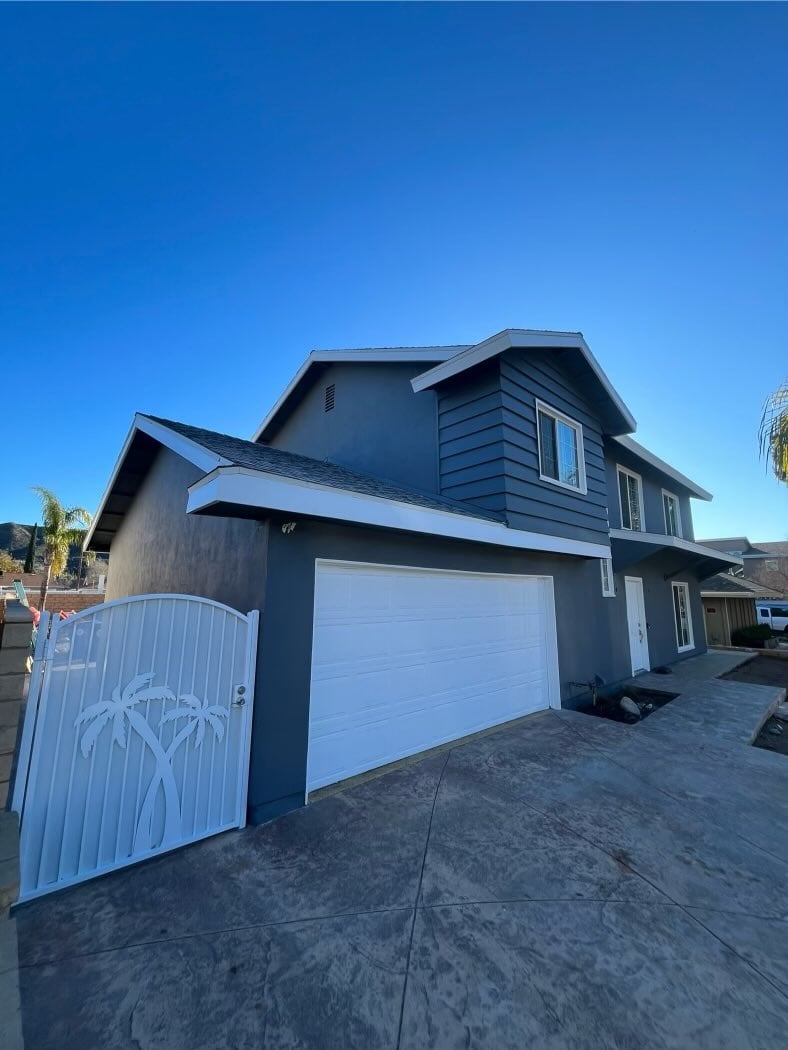
5 Key Factors to Consider When Painting Your Home’s Exterior
Painting your home’s exterior is a smart move for both beauty and protection. To get the most out of your project, focus on these five essential factors that influence durability, appearance, and value.
1. Climate and Weather Compatibility
Your local weather plays a major role in paint performance. In regions with heavy rain or snow, select paint that resists moisture and cracking. For hot, sunny climates, choose UV-resistant formulas to prevent fading. Coastal homes benefit from salt-resistant, marine-grade paint to fend off corrosion and mildew.
2. Surface Preparation Is Non-Negotiable
Skipping prep leads to peeling and poor adhesion. Clean all surfaces thoroughly—use power washing for large areas and gentle scrubbing for delicate spots. Repair cracks, holes, and peeling paint before starting. Sand rough patches and apply a suitable primer for maximum durability.
3. Invest in Quality Paint
Premium paint isn’t just about color—it’s about protection. High-grade exterior paints offer better coverage, weather resistance, and longevity. Look for features like UV protection, mildew resistance, and flexibility for temperature changes. These qualities reduce the need for frequent touch-ups and help maintain your home’s value.
4. Color Choice Matters
Your color selection affects both aesthetics and practicality. Neutral shades like beige, grey, and white are timeless and boost resale value. Consider your neighborhood’s style and local regulations. Darker colors absorb more heat, while lighter shades reflect sunlight—choose based on your climate and energy goals.
5. DIY or Hire a Pro?
Decide based on your skill level, time, and the complexity of your project. Professionals bring expertise, proper equipment, and warranties, especially for multi-story homes or intricate details. DIY can save money for small jobs, but may require more effort and learning. Assess your comfort and safety before making a choice.
Frequently Asked Questions
Q: How does climate affect exterior paint?
A: Climate determines the best paint type—cold areas need crack-resistant paint, sunny regions require UV protection, and coastal homes benefit from salt-resistant formulas.
Q: Why is surface prep so important?
A: Proper prep ensures paint adheres well, lasts longer, and looks better. Cleaning, repairing, and priming prevent peeling and bubbling.
Q: What’s the difference between cheap and premium exterior paint?
A: Premium paint offers better durability, coverage, and resistance to fading, moisture, and mildew. It may cost more upfront but saves money long-term.
Q: Can I paint over old paint?
A: Yes, if the existing paint is in good condition. Otherwise, remove peeling paint and prepare the surface before applying new coats.
Q: Should I hire a professional or do it myself?
A: Professionals are best for large, complex, or multi-story projects. DIY works for small jobs if you have the right tools and experience.