Expert Tips for Successfully Painting Over Wallpaper
Painting over wallpaper is a smart shortcut for homeowners who want to refresh their walls without the hassle of removal. When done right, it can save time, reduce mess, and deliver a polished result. However, it’s not as simple as just rolling paint on top. Success depends on the wallpaper’s condition, the right prep work, and choosing the best materials. This guide walks you through every step, from assessment to final touches, so you can achieve professional-quality results.
Why Paint Over Wallpaper?
Painting over wallpaper is a practical solution for many situations. It’s ideal when:
-
The wallpaper is securely attached and undamaged.
-
Removing the wallpaper could damage the wall underneath.
-
You’re short on time or want to avoid the labor-intensive removal process.
However, painting over wallpaper isn’t always the best option. If the paper is peeling, bubbled, or heavily textured, removal may be necessary for a smooth, long-lasting finish.
Step-by-Step: Painting Over Wallpaper
1. Assess Your Wallpaper
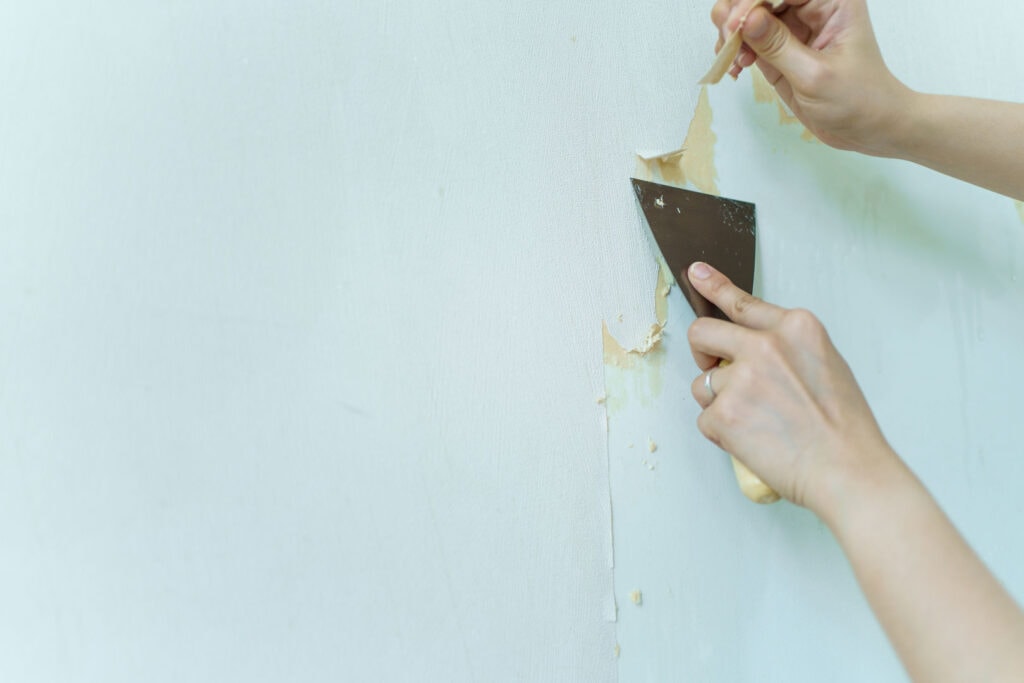
Begin by checking the wallpaper’s condition. Run your hand over the surface to feel for bubbles, loose edges, or peeling. Look for stains, mold, or damage. If the wallpaper is firmly adhered and smooth, painting is a viable option. If it’s damaged, textured, or peeling, consider removing it.
2. Prepare the Room
Clear the space and protect floors and furniture with drop cloths. Use painter’s tape to shield trim, outlets, and baseboards. This step ensures a clean, mess-free workspace.
3. Clean and Repair
Wipe the wallpaper with a mild detergent to remove dust, grease, and grime. Let it dry completely. For small holes or imperfections, fill with spackle or joint compound and sand smooth. Secure any loose seams with wallpaper adhesive.
4. Prime the Surface
Use an oil-based or shellac-based primer to seal the wallpaper. Water-based primers can activate the adhesive and cause bubbling. Apply the primer evenly with a roller, covering seams and edges. Let it dry fully before painting.
5. Paint the Wall
Choose a high-quality paint in your preferred finish. For most walls, a matte or eggshell finish works best to hide texture. Apply two thin coats, letting each dry completely before the next. Use a brush for edges and a roller for large areas.
6. Final Touches
Once the paint is dry, remove the tape and inspect for missed spots. Touch up as needed. Allow the paint to cure for at least 24–48 hours before moving furniture back.
Advanced Tips for a Flawless Finish
-
Feather Seams: For a seamless look, lightly apply joint compound over seams and sand smooth before priming.
-
Cutting In: Use a small brush to “cut in” around edges for crisp, clean lines.
-
Wet-Edge Discipline: Always roll into wet paint to avoid lap marks.
-
Temperature and Humidity: Paint in a room with temperatures between 50–85°F and humidity below 70% for optimal drying.
Frequently Asked Questions
1. Can I paint over any type of wallpaper?
You can paint over most wallpaper types if they’re in good condition. Smooth, non-textured paper is easiest. Avoid painting over peeling, bubbled, or heavily textured wallpaper, as these can cause uneven results or future problems.
2. Is it necessary to remove the wallpaper before painting?
Removal isn’t always needed. If the wallpaper is well-adhered and smooth, painting over it is possible. However, remove old or damaged wallpaper to prevent peeling or bubbling.
3. What type of primer should I use?
Use an oil-based or shellac-based primer to seal the wallpaper and prevent bubbling. Water-based primers can activate the adhesive and cause the paper to lift.
4. How many coats of paint do I need?
Two coats are usually sufficient. If covering a bold pattern or dark color, a third coat may be needed. Allow each coat to dry completely before applying the next.
5. Will the seams and texture show through the paint?
Proper prep and primer minimize seams and texture. However, some patterns or textures may still be visible, especially with gloss finishes. Matte or eggshell paints help conceal imperfections.