5 Reasons to Choose Textured Paint for Your Walls
Textured paint is rapidly gaining popularity among homeowners and designers seeking both beauty and practicality for their spaces. Unlike traditional flat finishes, textured paint adds a layer of depth and character that transforms walls into eye-catching features. Whether you’re updating a single room or reimagining your entire property, textured paint offers unique advantages that set it apart. Let’s explore five compelling reasons to choose textured paint for your next wall project.
1. Adds Visual Depth and Style
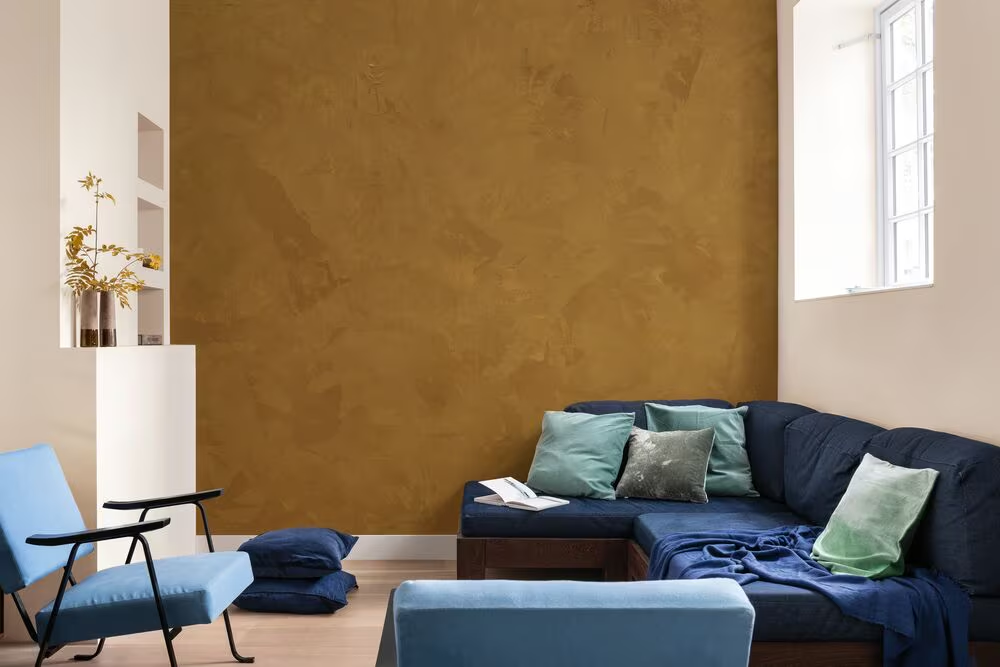
Textured paint instantly elevates the look of any room by introducing dimension and movement to flat surfaces. With a variety of patterns—from subtle grain to bold 3D effects—textured paint allows for endless creative expression. Whether you want a modern, minimalist vibe or a rustic, artistic feel, textured paint makes it easy to customize your walls to match your personal style. The result is a space that feels dynamic, inviting, and uniquely yours.
2. Hides Wall Imperfections
One of the most practical benefits of textured paint is its ability to mask flaws. Minor cracks, dents, and uneven patches are concealed by the raised surface, making textured paint an ideal solution for older homes or walls that have seen better days. Instead of costly repairs or extensive prep work, textured paint provides a quick and affordable way to refresh your walls and achieve a professional finish.
3. Boosts Durability and Longevity
Textured paint is formulated to be more resilient than standard flat paint. The added ingredients—such as sand, stone, or marble dust—create a stronger, more durable finish that resists scratches, scuffs, and everyday wear. This makes textured paint perfect for high-traffic areas, homes with kids or pets, and commercial spaces where walls are exposed to frequent use. With less need for touch-ups, textured paint saves time and money over the long term.
4. Enhances Acoustic Performance
Certain textured paint finishes can help reduce noise by absorbing sound waves, making them a smart choice for rooms where acoustics matter. Whether you’re designing a home office, living room, or entertainment space, textured paint can contribute to a quieter, more comfortable environment. The extra layer of texture acts as a subtle sound barrier, dampening echoes and improving overall sound quality.
5. Eco-Friendly and Efficient Application
Textured paint is often more efficient to apply than traditional paint, requiring fewer coats for full coverage. This not only saves on materials but also reduces labor time and environmental impact. Because textured paint hides imperfections, it also minimizes the need for frequent repairs and touch-ups, further conserving resources. For homeowners and businesses committed to sustainability, textured paint is a smart, eco-conscious option.
FAQs
1. What are the most popular types of textured paint finishes?
Textured paint comes in a variety of finishes, each offering a distinct look and feel. Sand-textured paint gives walls a granular, beachy effect, while stone-textured paint mimics the appearance of natural stone. 3D textured paint creates bold, dimensional patterns, and specialty finishes like comb, cross-hatch, or cracked textures add artistic flair. The choice depends on your desired aesthetic and the characteristics of your wall surface.
2. How is textured paint applied, and what tools are required?
Textured paint can be applied with brushes, rollers, trowels, or specialized combs. The process typically starts with surface preparation—cleaning and priming the wall. After applying a base coat, the textured paint is spread and shaped while wet to create the desired pattern. Techniques such as sponging, brushing, rolling, and troweling allow for different effects. Always follow the manufacturer’s instructions for best results.
3. Can textured paint be used on all types of walls?
Textured paint works well on most flat surfaces, including drywall, plaster, and concrete. However, it’s important to ensure the wall is clean, dry, and properly primed. Textured finishes may not be ideal for walls that require frequent repairs, as patching can be more challenging. Consult a professional for advice on the best approach for your specific situation.
4. How do you clean and maintain textured paint walls?
Cleaning textured paint walls is straightforward. Dust and dirt tend to accumulate less on textured surfaces compared to smooth walls. For routine maintenance, use a soft brush or vacuum attachment to remove dust. Spot cleaning with a damp cloth and mild detergent is effective for marks or stains. Avoid abrasive cleaners or vigorous scrubbing to prevent damage to the texture. With proper care, textured paint can last for many years.
5. Is textured paint suitable for bathrooms and kitchens?
Certain textured paints are designed to be waterproof or water-resistant, making them suitable for high-moisture areas like bathrooms and kitchens. These paints are formulated to withstand humidity and occasional splashes. Always check the manufacturer’s specifications and ensure proper surface preparation and sealing for optimal durability in these environments.